Jacksonville Commercial Roofing Company Explains the Process
Introduction to Commercial Roofing in Jacksonville
 Commercial roofing in Jacksonville is a critical investment for businesses due to the city’s unique climate and building demands. Jacksonville’s coastal location exposes roofs to high humidity, heavy rains, and occasional hurricanes, making durable roofing systems essential. Commercial roofing contractors in the area specialize in materials and designs that withstand these challenges while adhering to local building codes. Whether you’re constructing a new property or upgrading an existing one, understanding the fundamentals of Jacksonville commercial roofing ensures long-term protection and cost efficiency.
Businesses in Jacksonville often prioritize energy efficiency and sustainability when selecting roofing systems. Reflective coatings, solar-ready designs, and insulated materials are popular choices to combat Florida’s intense heat. Partnering with a Jacksonville commercial roofing expert ensures access to tailored solutions that align with both environmental goals and budgetary constraints.
- Jacksonville’s coastal climate demands impact-resistant materials.
- Local contractors understand Florida’s strict building codes.
- Sustainable roofing options reduce long-term energy costs.
Why Jacksonville Businesses Choose Professional Roofing Services
Professional commercial roofing services in Jacksonville offer expertise in navigating permits, material selection, and installation timelines. Roofing contractors familiar with the region’s weather patterns can recommend systems like TPO or metal roofing, which excel in durability. Regular inspections and maintenance plans further extend roof lifespans, preventing costly emergency repairs.
Key Trends in Jacksonville Commercial Roofing
Recent trends in Jacksonville commercial roofing include cool roofing systems that reduce urban heat island effects. Contractors also emphasize waterproofing techniques to handle seasonal storms. By staying ahead of industry advancements, businesses can future-proof their properties against Jacksonville’s evolving climate challenges.
Investing in quality commercial roofing in Jacksonville not only safeguards assets but also enhances property value. With the right contractor, businesses gain peace of mind knowing their roof is built to endure decades of Florida’s harsh weather.
Understanding Jacksonville’s Climate and Roofing Needs
Jacksonville’s subtropical climate poses distinct challenges for commercial roofing systems. High humidity, frequent thunderstorms, and hurricane threats require materials that resist moisture absorption and wind uplift. Commercial roofing projects in Jacksonville must prioritize weather-resistant designs to prevent leaks, mold growth, and structural damage. Contractors often recommend reinforced membranes or metal panels to meet these demands.
- Hurricane-rated roofing materials are essential for compliance.
- Proper drainage systems prevent water pooling during heavy rains.
How Humidity Affects Roof Longevity
 Jacksonville’s humidity accelerates wear on roofing materials, particularly organic-based products like traditional felt. Synthetic underlayments and moisture-resistant coatings are increasingly used to combat degradation. Regular inspections help identify early signs of moisture intrusion, preserving roof integrity.
Beyond weather, Jacksonville’s commercial roofing must account for UV exposure. Reflective coatings and UV-resistant materials reduce thermal expansion, which can cause cracks over time. Partnering with a local contractor ensures compliance with regional standards and optimal material performance.
Types of Commercial Roofing Systems Popular in Jacksonville
Jacksonville businesses frequently opt for TPO, PVC, and metal roofing due to their resilience in coastal climates. TPO roofs provide excellent UV reflection and energy efficiency, ideal for Florida’s sunny days. PVC systems offer superior waterproofing, critical for Jacksonville’s heavy rainfall. Metal roofing, though higher in initial cost, delivers unmatched durability against wind and corrosion.
- TPO is cost-effective and energy-efficient.
- Metal roofs can last 40+ years with proper maintenance.
- Modified bitumen suits low-slope buildings common in Jacksonville.
- Green roofing systems are gaining traction for urban properties.
Benefits of Energy-Efficient Roofing in Jacksonville
Energy-efficient commercial roofing in Jacksonville helps businesses reduce cooling costs by up to 30%. Reflective surfaces and insulated materials minimize heat transfer, easing HVAC strain. Many local contractors also integrate solar panels into roofing designs, aligning with Florida’s renewable energy incentives.
Selecting the right system depends on building structure, budget, and long-term goals. A Jacksonville commercial roofing professional can perform a cost-benefit analysis to guide decision-making.
Key Considerations for Jacksonville Commercial Roofing Projects
When planning a commercial roofing project in Jacksonville, businesses must account for the region’s weather extremes and regulatory environment. High winds, salt air, and intense UV exposure demand materials rated for coastal resilience. Partnering with a Jacksonville commercial roofing contractor familiar with local codes ensures compliance and avoids costly delays. Budgeting for hurricane straps, impact-resistant membranes, and proper insulation is critical for long-term performance.
Balancing Cost and Durability
Jacksonville businesses often face trade-offs between upfront costs and lifecycle savings. While metal roofing may have a higher initial price, its 50-year lifespan often outweighs cheaper alternatives. Contractors can provide lifecycle cost analyses to help prioritize investments in energy-efficient or storm-resistant features.
- Local zoning laws may restrict roofing material choices.
- Insurance discounts are available for storm-resistant upgrades.
- Warranty terms vary by material and installer expertise.
Timing is another crucial factor—scheduling installations during Jacksonville’s drier months (October-April) minimizes weather-related disruptions. Proactive planning also allows businesses to secure permits efficiently, as municipal offices often face backlogs during peak storm seasons.
Lastly, consider accessibility for future maintenance. Flat roofs common in Jacksonville require regular drainage inspections to prevent ponding water. Including safety anchors or walkway pads during installation simplifies long-term upkeep.
Initial Consultation with a Jacksonville Roofing Contractor
The first meeting with a Jacksonville commercial roofing contractor sets the foundation for project success. Reputable firms will assess existing roof conditions, review historical weather damage, and discuss business-specific needs. Bring property blueprints, past repair records, and energy bills to help contractors identify optimization opportunities.
- Ask for proof of Jacksonville-specific licenses and certifications.
- Request references from local commercial projects.
What to Expect During the Assessment
Contractors typically perform core cut tests to evaluate moisture levels in insulation and decking. Infrared scans may also detect hidden leaks common in Jacksonville’s humid climate. These diagnostics inform whether a repair or full replacement is cost-effective.
Discussions should cover timelines, debris management, and noise mitigation strategies to minimize business interruptions. Many Jacksonville roofing companies offer after-hours or weekend work for retail or hospitality clients.
Navigating Financing and Payment Terms
Some Jacksonville contractors partner with lenders to offer leasing programs or energy-efficient upgrade financing. Clarify payment schedules and lien waiver processes upfront to avoid disputes.
Post-consultation, contractors should provide a detailed scope of work outlining materials, labor warranties, and compliance measures tailored to Jacksonville’s building standards.
Material Selection for Durable Jacksonville Commercial Roofs
Selecting materials for Jacksonville commercial roofing projects requires balancing climate resilience with energy efficiency. Modified bitumen remains popular for low-slope buildings due to its waterproofing capabilities, while standing seam metal roofs excel in hurricane-prone areas. Below are key factors influencing material choices:
- Wind Uplift Resistance: ASTM D7158 Class H (>250 mph) is ideal.
- Solar Reflectance Index (SRI): Aim for ≥82 to reduce cooling costs.
- Algae Resistance: Critical in Jacksonville’s humid climate.
- Thermal Cycling Performance: Prevents cracking from temperature swings.
Innovative Materials for Coastal Resilience
 New composite materials combine polymer layers with ceramic coatings to repel salt corrosion—a common issue in Jacksonville. Recycled rubber roofing systems are also gaining traction, offering impact resistance comparable to traditional options at lower costs.
For green buildings, vegetative roofing systems provide natural insulation but require reinforced structural support. Consult a Jacksonville commercial roofing engineer to assess load-bearing capacity before choosing this option.
Finally, consider maintenance requirements. PVC membranes, while durable, may need seam inspections after extreme weather events. Many Jacksonville contractors offer semi-annual maintenance packages tailored to specific materials.
Permitting and Regulations for Jacksonville Roofing Work
Jacksonville commercial roofing projects must comply with Florida Building Code (FBC) Section 1507 and local amendments. Permits are mandatory for replacements affecting >25% of the roof area or structural modifications. The city’s ePermitting portal streamlines applications but requires detailed material specs and contractor credentials.
- Typical review time: 10-15 business days
- Required documents: Wind mitigation forms, product approval notices
Navigating Historic District Requirements
Properties in Jacksonville’s historic districts like Springfield face additional design restrictions. Materials must match original aesthetics while meeting modern performance standards—a challenge requiring specialized contractors.
Violations can result in fines up to $5,000, making due diligence essential. Reputable Jacksonville roofing companies handle permit acquisition as part of their service, leveraging relationships with local inspectors to expedite approvals.
Post-installation, ensure contractors provide Notices of Completion (NOC) for insurance updates. Jacksonville property insurers often require these documents to maintain coverage.
Preparing the Site for Commercial Roofing Installation
Proper site preparation prevents delays and safety hazards during Jacksonville commercial roofing installations. Contractors should conduct a pre-work meeting to discuss access points, equipment storage, and debris chute placement. For multi-tenant buildings, notify occupants at least 72 hours in advance per Jacksonville noise ordinance guidelines.
Critical Pre-Installation Steps
- Roof deck inspection for rot or corrosion
- HVAC and skylight protection with temporary covers
- Parking lot coning for material delivery zones
In hurricane season, secure a weather contingency plan. Many Jacksonville contractors use GPS-tracked moisture sensors to pause work automatically if rains exceed forecasted levels.
For facilities with sensitive equipment, electrostatic discharge (ESD) protocols may be necessary when installing metal roofing. Discuss these requirements during the planning phase to avoid operational disruptions.
Step-by-Step Process of Commercial Roof Installation
Installing a commercial roof in Jacksonville requires meticulous planning to address the city’s unique climate challenges. The process begins with a thorough inspection of the existing structure to assess deck integrity, moisture levels, and insulation quality. Jacksonville commercial roofing contractors prioritize this step to identify hidden damage from humidity or past storms. Next, contractors outline a timeline that avoids peak hurricane seasons (June–November) to minimize weather-related delays.
Material delivery follows, with attention to storage protocols that prevent warping or water damage. In Jacksonville’s coastal environment, materials like TPO or metal panels must be kept in climate-controlled trailers until installation. Contractors then prepare the roof deck, removing old materials and reinforcing weak areas to meet Florida Building Code wind uplift requirements.
The installation phase varies by system—single-ply membranes are heat-welded for seamless waterproofing, while metal panels are mechanically fastened for hurricane resistance. Jacksonville’s commercial roofing teams often use drones to monitor progress and ensure adherence to safety standards.
- Phase 1: Structural assessment and debris removal
- Phase 2: Installation of underlayment and insulation
Quality Checks During Installation
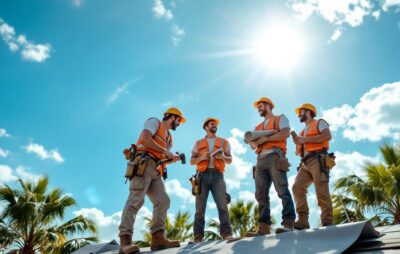 Mid-project inspections are critical for Jacksonville commercial roofing projects. Contractors test seams for watertight seals using flood tests or infrared scans. Any issues, such as uneven adhesion or thermal bridging, are corrected before proceeding. These checks align with Jacksonville’s strict permitting requirements, ensuring compliance at every stage.
Post-installation, contractors conduct a final walkthrough with property managers to explain maintenance routines. This includes scheduling biannual inspections to clear debris from drains—a key step in preventing ponding water during Jacksonville’s rainy season.
Quality Assurance in Jacksonville Commercial Roofing Projects
Quality assurance (QA) is paramount for commercial roofing in Jacksonville due to the long-term impact of material performance. Reputable contractors implement multi-tiered QA processes, starting with material verification against Miami-Dade County NOA certifications. This ensures products meet Florida’s hurricane resistance standards. Third-party inspectors are often hired to audit installation techniques, such as proper fastener spacing for metal roofs or seam strength for single-ply systems.
- Core sampling to verify insulation density
- Wind uplift testing per ASTM D7158 protocols
- Infrared moisture mapping post-installation
Documentation for Jacksonville Property Managers
Jacksonville commercial roofing companies provide detailed QA reports, including time-stamped photos and warranty registration documents. These records are vital for insurance renewals and future property sales. Many contractors also offer digital access to maintenance logs via client portals, streamlining compliance with Jacksonville’s building code renewal requirements.
 Proactive QA extends roof lifespans by 20–30% in Jacksonville’s harsh climate. By addressing minor issues early, businesses avoid costly emergency repairs during storm seasons.
Safety Protocols for Commercial Roofing in Jacksonville
Safety is non-negotiable in Jacksonville commercial roofing projects. Contractors must adhere to OSHA 1926 Subpart M for fall protection, given that over 60% of roofing fatalities result from falls. In Jacksonville’s humid conditions, additional measures like non-slip boots and hydration stations are mandatory. Daily safety briefings cover heat stress prevention and lightning evacuation routes—a critical protocol during Florida’s afternoon thunderstorms.
- Anchor points installed every 6 feet on rooftops
- Weather monitoring apps for real-time storm alerts
- EMT-certified supervisors on all job sites
Training for Jacksonville-Specific Risks
Jacksonville roofing crews undergo specialized training in handling saltwater corrosion on metal roofs and navigating slippery algae growth on shingle systems. Crane operators receive certifications for high-wind lifts, which are common during coastal installations. These protocols reduce workers’ compensation claims and keep projects on schedule.
Property managers should verify contractors’ EMR (Experience Modification Rate) scores—a metric reflecting safety performance. Jacksonville-based firms with scores below 1.0 indicate fewer accidents than industry averages.
Maintenance Tips for Long-Lasting Jacksonville Commercial Roofs
Regular maintenance is the cornerstone of durability for Jacksonville commercial roofing systems. Bi-annual inspections—ideally in spring and fall—catch issues before hurricane season or winter cold fronts. Focus areas include checking for cracked sealants around penetrations (vents, HVAC units) and clearing debris from scuppers. Jacksonville’s oak trees shed heavily in April, making gutter cleaning a priority to prevent blockages.
After severe weather, conduct drone inspections to identify loose flashing or punctures. Many Jacksonville roofing contractors offer storm damage assessments at no cost, helping businesses file timely insurance claims.
- Trim overhanging branches to reduce debris accumulation
- Re-apply elastomeric coatings every 5–7 years
Partnering with Jacksonville Maintenance Pros
Enrolling in a maintenance plan with a local Jacksonville commercial roofing company ensures consistent care. These plans typically include priority emergency response, discounted repairs, and warranty compliance checks. For flat roofs, contractors measure drainage slope angles to prevent standing water—a common issue in Jacksonville’s flat terrain.
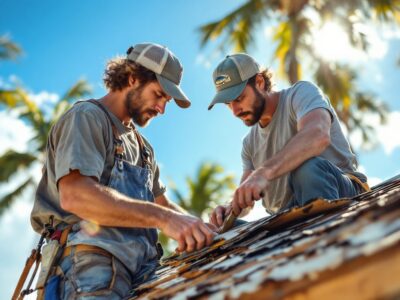 Document all maintenance activities for warranty validation. Manufacturers often deny claims if records show irregular upkeep, especially in high-humidity regions like Jacksonville.
Common Issues with Commercial Roofs in Jacksonville’s Climate
Jacksonville’s subtropical climate creates unique challenges for commercial roofing systems. High humidity accelerates mold and algae growth, while frequent thunderstorms test waterproofing integrity. Roofs in Jacksonville often suffer from thermal expansion due to temperature swings, leading to cracked seams or loose fasteners. Coastal salt air also corrodes metal components, requiring specialized coatings for longevity.
- Ponding water on flat roofs after heavy rains
- UV degradation causing premature material brittleness
- Wind uplift damage during hurricane season
Preventing Moisture Intrusion in Jacksonville Roofs
Proactive measures like installing tapered insulation improve drainage, reducing standing water risks. Jacksonville commercial roofing contractors recommend semi-annual inspections to identify compromised sealants or flashing. Using algae-resistant shingles or membranes can also mitigate organic growth common in humid environments.
For metal roofs, galvanic corrosion between dissimilar metals is a frequent issue. Contractors address this by using isolation pads or choosing uniform metal alloys rated for coastal exposure.
Emergency Repair Services for Jacksonville Businesses
When storms damage commercial roofs in Jacksonville, rapid response is critical to prevent business interruptions. Reputable contractors offer 24/7 emergency services with two-hour response times. Common emergencies include torn membranes, displaced skylights, or structural leaks threatening inventory.
- Temporary tarping to secure exposed areas
- Water extraction and drying services
- Coordination with insurance adjusters
Storm Preparedness Partnerships
Many Jacksonville commercial roofing companies provide pre-hurricane season inspections, securing loose components and reinforcing vulnerable areas. Post-storm, they prioritize repairs for healthcare facilities and data centers under Jacksonville’s critical infrastructure guidelines.
Documentation is key for insurance claims—contractors use 360-degree cameras to capture pre- and post-repair conditions. This evidence streamlines approvals with Jacksonville-based insurers familiar with regional weather risks.
Sustainable Roofing Options for Jacksonville Commercial Properties
Jacksonville businesses increasingly adopt sustainable roofing to meet ESG goals and reduce operating costs. Cool roofing systems with SRI ratings above 100 reflect sunlight, lowering indoor temperatures by 10–15°F. Solar-ready roofs are gaining traction, with Jacksonville’s 221 annual sunny days making photovoltaic integration highly efficient.
Green Roofing Innovations
- Vegetative roofs reduce stormwater runoff by 60–70%
- Recycled rubber roofing from 95% post-consumer materials
- Photovoltaic-integrated standing seam metal panels
Florida’s sales tax exemption for solar installations makes these upgrades cost-effective. Jacksonville commercial roofing contractors can also navigate local rebates for ENERGY STAR®-certified materials.
Lifecycle assessments help businesses compare long-term savings. For example, a white TPO roof may save $0.15/sq ft annually in cooling costs versus traditional asphalt—significant for large Jacksonville warehouses.
Cost Factors in Jacksonville Commercial Roofing Projects
Commercial roofing costs in Jacksonville range from $6–$18 per square foot, depending on materials and complexity. Key variables include:
- Wind uplift resistance requirements (up to 30% cost premium)
- Roof accessibility for cranes or scaffolding
- Disposal fees for old materials—Jacksonville landfills charge $45–$75/ton
Budgeting for Hidden Costs
 Structural reinforcements often surprise businesses—70% of Jacksonville’s older buildings need deck repairs before new installations. Contingency funds covering 10–15% of projected costs mitigate these risks. Energy-efficient upgrades may qualify for Jacksonville Electric Authority rebates, offsetting initial investments.
Seasonal pricing fluctuations matter. Contractors offer 5–12% discounts during Jacksonville’s slower summer months despite hurricane risks, as demand peaks post-storm seasons.
Choosing the Right Jacksonville Commercial Roofing Contractor
Selecting a Jacksonville commercial roofing contractor requires thorough vetting. Verify Florida Certified Roofing Contractor licenses (CBC 056900) and manufacturer certifications like GAF Master Elite. Local experience matters—contractors familiar with Jacksonville’s soil salinity can recommend better fasteners and coatings.
- Check BBB ratings and unresolved complaint histories
- Confirm workers’ compensation coverage for all crews
Red Flags to Avoid
Be wary of contractors who don’t perform core cut inspections or pressure for upfront cash payments. Reputable Jacksonville firms provide detailed contracts outlining OSHA compliance, cleanup responsibilities, and lien waivers.
Ask for project-specific references, like Jacksonville’s Baptist Health roof replacement. This 2022 project involved hurricane-rated PVC membranes and achieved 40% energy savings—a testament to contractor expertise.
Case Studies: Successful Commercial Roofing Projects in Jacksonville
The Jacksonville Shipyards redevelopment showcases innovative commercial roofing solutions. Contractors installed 250,000 sq ft of reflective TPO over insulated concrete decks, reducing HVAC loads by 25%. Wind mitigation features included 6” perimeter fastening to withstand 160 mph winds.
- Project Cost: $3.2 million
- Timeline: 14 weeks with weather delays
- ROI: 7-year payback via energy savings
Lessons from the St. Johns Town Center Roof Retrofit
This retail complex upgraded to solar-reflective metal panels, decreasing rooftop temperatures by 18°F. The design incorporated concealed fasteners to prevent saltwater corrosion—a key consideration for Jacksonville’s coastal location. Post-installation infrared scans confirmed zero thermal bridging issues.
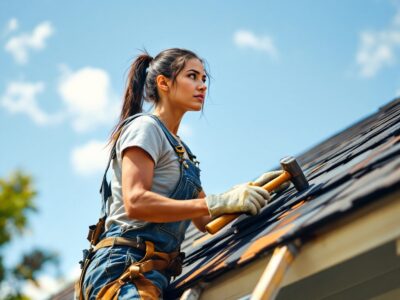 Such projects demonstrate how tailored solutions address Jacksonville’s unique commercial roofing needs while delivering measurable financial returns.
Ensuring Success with Your Jacksonville Commercial Roof
A successful Jacksonville commercial roofing project starts with clear communication between stakeholders. Develop a written timeline accounting for Jacksonville’s permit approval cycles (avg. 12 business days) and material lead times. Metal panel shortages in 2023 delayed some projects by 6+ weeks—flexibility is essential.
Post-Installation Best Practices
- Conduct warranty walkthroughs within 30 days of completion
- Train maintenance staff on inspection checkpoints
- Archive all documentation for lease compliance audits
Implementing a digital roof management system helps track maintenance history and warranty expirations. Many Jacksonville facilities use these platforms to schedule repairs during mild weather windows, avoiding peak storm season rates.
Lastly, build relationships with contractors for ongoing support. Jacksonville’s top roofing firms offer 10-year workmanship warranties, ensuring your investment remains protected against the region’s toughest climate challenges.
Optimizing Energy Efficiency in Jacksonville Commercial Roofs
Energy efficiency is a top priority for Jacksonville commercial roofing projects due to the city’s high cooling demands. Reflective roofing materials, such as white TPO or coated metal, can reduce surface temperatures by up to 50°F. This directly lowers HVAC strain, cutting energy costs by 20–30% annually. Jacksonville businesses also leverage solar-ready roofing systems, taking advantage of Florida’s abundant sunlight. Contractors often integrate cool roofing solutions with insulation upgrades to maximize savings.
- Energy Star-rated roofs qualify for Jacksonville Electric Authority rebates
- Radiant barriers in attic spaces complement reflective roof surfaces
Solar Integration Strategies
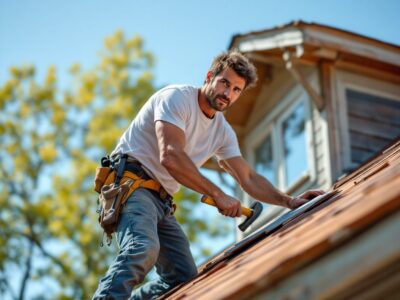 Installing photovoltaic panels on commercial roofs requires careful load analysis. Jacksonville’s building codes mandate structural assessments for solar arrays exceeding 5% of roof area. Many contractors use ballasted mounting systems to avoid roof penetrations, preserving waterproofing integrity.
Regular energy audits help businesses track efficiency gains. Jacksonville roofing experts often partner with HVAC firms to optimize whole-building performance.
Impact of Coastal Weather on Jacksonville Roof Longevity
Jacksonville’s proximity to the Atlantic Ocean accelerates roof aging through salt spray and high humidity. Metal roofs require galvanized or aluminum coatings to resist corrosion, while single-ply membranes need anti-microbial treatments. Annual inspections are critical to identify early signs of deterioration, such as chalky residue on modified bitumen or rust spots on flashing.
Salt Mitigation Techniques
- Freshwater rinses every 6 months remove salt buildup
- Zinc or copper strips prevent algae growth on shingles
- Sacrificial anode systems protect metal components
Roofs in beachfront areas like Jacksonville Beach may need replacement cycles 25% shorter than inland properties. Using marine-grade materials extends service life despite the harsh environment.
Roof Drainage Solutions for Jacksonville Commercial Properties
Effective drainage prevents water damage to Jacksonville commercial roofs during heavy rains. Contractors design systems based on roof slope, with siphonic drains for flat roofs and tapered insulation for gradual runoff. Gutter sizing must account for Jacksonville’s 50-inch annual rainfall—undersized systems lead to overflow and foundation erosion.
- Secondary overflow drains as code-required failsafes
- Heated drainage paths for rare freeze events
Managing Leaf Debris
Jacksonville’s oak canopies require gutter guards and regular cleaning schedules. Some facilities install debris sensors that alert managers via SMS when blockages occur. For large complexes, contractors recommend centralized drainage monitoring software.
Slope recalculations during reroofing projects often resolve chronic ponding issues. Infrared scans post-installation verify proper water flow.
Insurance Considerations for Jacksonville Commercial Roofs
Jacksonville property insurers scrutinize roofing materials and maintenance records. Wind mitigation certifications can lower premiums by 15–45%, depending on construction details. Key factors include:
- Roof-to-wall attachment methods (clips vs. nails)
- Shingle or membrane wind uplift ratings
- Age of roofing system
Navigating Claims After Storm Damage
Documentation is critical—use timestamped photos and contractor reports to substantiate claims. Jacksonville public adjusters often assist with disputes over depreciation calculations. Note that cosmetic damage from hail may not justify full replacement under some policies.
Many Jacksonville roofing contractors work directly with insurers, streamlining approvals for code-compliant repairs.
Future-Proofing Jacksonville Commercial Roofing Investments
Forward-thinking businesses design roofs for climate resilience and adaptability. This includes:
- Overbuilding wind resistance beyond current code minimums
- Installing redundant waterproofing layers
- Leaving space for future solar or HVAC expansions
Modular Roofing Systems
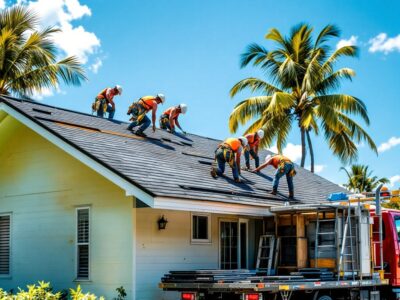 New interlocking panel designs allow section replacements without full tear-offs. This reduces waste and downtime—a key advantage for Jacksonville’s busy industrial sector.
Climate Adaptation Planning
Consultants use NOAA projections to recommend materials for Jacksonville’s 2050 climate. Anticipated changes include 15% more intense rainfall and Category 5 hurricanes reaching further inland.
By investing in future-proof systems, Jacksonville businesses avoid premature replacements and maintain operational continuity through extreme weather events.
Navigating Warranties for Jacksonville Commercial Roofing Systems
Understanding warranty terms is crucial for Jacksonville commercial roofing projects. Most manufacturers offer 15–30 year material warranties, but these often require professional installation by certified contractors. Jacksonville’s extreme weather conditions can void warranties if installations don’t meet specific wind uplift or drainage criteria. Always review exclusions related to hurricane damage and algae growth—common issues in coastal Florida.
- Workmanship warranties typically cover 2–10 years
- Pro-rated warranties reduce coverage over time
- Transferable warranties add value for future property sales
Maintaining Warranty Compliance
Jacksonville businesses must schedule annual inspections with authorized contractors to keep warranties active. Documentation of repairs and cleaning is essential. Some manufacturers require UV-resistant coating reapplications every 5 years for membrane warranties.
Consider extended warranty packages that cover storm-related labor costs—a wise investment given Jacksonville’s exposure to tropical systems.
Technological Advancements in Jacksonville Roofing Inspections
Jacksonville commercial roofing contractors now use AI-powered drones and thermal imaging for precise damage assessments. These technologies identify moisture intrusion and insulation gaps with 95% accuracy, compared to traditional visual inspections. LiDAR scanning creates 3D roof models that help plan efficient material layouts, reducing waste by up to 20%.
Real-Time Data Integration
- IoT sensors monitor roof temperature and stress points
- Cloud-based platforms track maintenance histories
- AI algorithms predict failure risks based on weather patterns
These tools help Jacksonville businesses optimize maintenance schedules and budget for repairs. For example, predictive analytics might recommend pre-hurricane season reinforcement based on historical storm tracks.
Adapting Roof Designs for Jacksonville’s Urban Heat Island Effect
Downtown Jacksonville’s average temperature is 7°F hotter than rural areas, accelerating roof aging. Cool roofing solutions with SRI values above 100 are now mandated for new commercial constructions over 5,000 sq ft. Green roofs with vegetation layers reduce ambient temperatures while managing stormwater—critical for meeting Jacksonville’s MS4 permit requirements.
- White reflective coatings increase albedo effect
- Rooftop gardens require structural load assessments
- Phase change materials regulate thermal fluctuations
Municipal Incentive Programs
Jacksonville offers tax abatements for projects achieving LEED Silver certification or higher. Contractors must submit energy modeling reports showing at least 15% efficiency gains from roofing upgrades.
Combining these strategies helps businesses comply with Jacksonville’s 2030 Climate Action Plan while reducing operational costs.
Historic Building Roofing Challenges in Jacksonville
Preserving Jacksonville’s historic districts like LaVilla requires specialized roofing approaches. Original materials like clay tile or slate must often be replicated with modern alternatives that meet fire codes. The city’s Historic Preservation Commission reviews all material samples and installation methods.
Key considerations include:
- Matching historical profiles with synthetic composites
- Concealing modern fastening systems
- Blending UV-resistant coatings with traditional colors
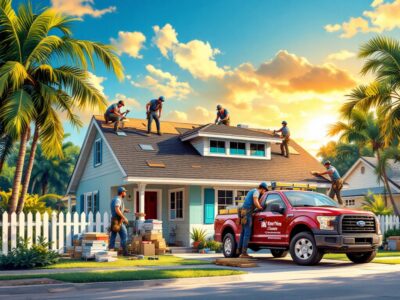 Balancing Authenticity and Performance
Contractors use computer-matching technology to recreate discontinued tiles. Underlayment upgrades provide waterproofing without altering external appearances. These solutions meet Jacksonville’s preservation standards while offering 21st-century durability.
Roofing for Jacksonville’s Industrial Facilities
Jacksonville’s portside warehouses need roofs that withstand chemical exposure and heavy equipment vibrations. Spray polyurethane foam (SPF) systems excel here, forming seamless barriers against corrosive salt air. Reinforced concrete decks with epoxy coatings handle forklift traffic, while insulated panels maintain temperature-sensitive inventories.
- Impact-resistant ratings for falling equipment
- Chemical washdown compatibility
- Explosion venting requirements for hazardous materials
Customized Maintenance Protocols
Quarterly inspections focus on sealant integrity around roof penetrations. Jacksonville industrial contractors use abrasion-resistant walkpads to prevent membrane wear from frequent service traffic.
These specialized solutions keep Jacksonville’s $32 billion logistics sector operating smoothly through extreme weather and heavy use.
Conclusion: Partnering for Long-Term Roofing Success in Jacksonville
Navigating commercial roofing projects in Jacksonville requires a strategic approach tailored to the region’s climate, regulations, and business needs. From initial consultations to final inspections, every step demands expertise to ensure durability against hurricanes, humidity, and UV exposure. A trusted Jacksonville commercial roofing company brings localized knowledge—recommending materials like TPO or metal panels that balance cost and resilience while streamlining permits and compliance with Florida Building Codes.
Key Takeaways for Jacksonville Business Owners
- Proactive maintenance extends roof lifespan by 20–30% in coastal climates
- Energy-efficient designs reduce cooling costs by up to 30% annually
- Storm-resistant installations minimize insurance premiums and downtime
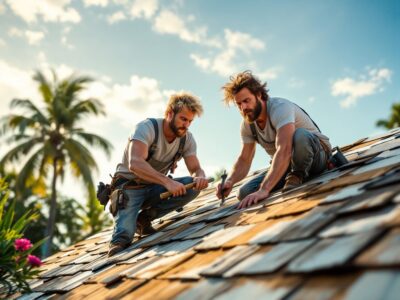 Quality assurance protocols, such as infrared scans and wind uplift testing, safeguard your investment. Meanwhile, emerging technologies like drone inspections and IoT sensors enable predictive maintenance, addressing issues before they escalate. Jacksonville’s commercial roofing landscape continues evolving, with sustainable options like solar-integrated systems and cool roofs offering both environmental and financial returns.
Final Steps to Roofing Excellence
Partnering with a licensed Jacksonville commercial roofing contractor ensures compliance, safety, and performance. Their familiarity with local challenges—from historic district guidelines to industrial corrosion risks—translates into tailored solutions. Regular inspections and documentation not only preserve warranties but also position your property for long-term success in Northeast Florida’s competitive market.
By prioritizing expertise and innovation, Jacksonville businesses can transform roofing projects from operational necessities into strategic advantages. Whether upgrading an aging structure or constructing a new facility, the right partnership delivers roofs that protect, perform, and endure for decades.
continue reading
Related Posts
Introduction: Why Roofing Matters for Jacksonville Homeowners Your roof is
Introduction: Why Roof Replacement Matters in Jacksonville Your home in

SERVING TAMPA, ST. PETE & ORLANDO
Empowering Your Vision
CENTRAL FLORIDA

CALL TODAY AT (813) 644-2213
Custom Roof Solutions is proud to serve Tampa & Orlando homeowners and businesses with industry-leading roofing and solar services. Whether you need to protect your property from the unpredictable Florida weather or lower your energy costs with solar power, our experienced team is here to provide reliable solutions tailored to your needs.
SERVING JACKSONVILLE AREAS
Empowering Your Vision
NORTH FLORIDA
CALL TODAY AT (904) 808-3550
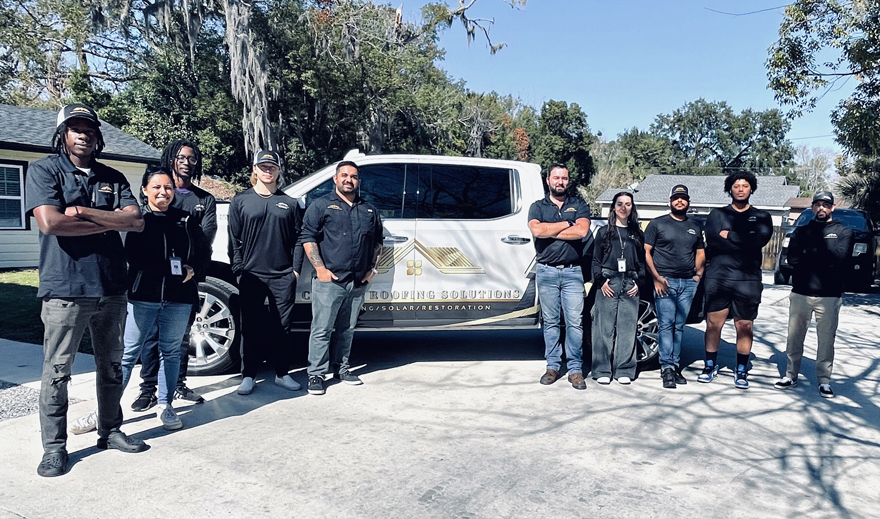
At Custom Roof Solutions, we understand Jacksonville’s unique weather conditions and architectural styles. Whether it’s protecting your home from hurricane-force winds, foof repairs or enhancing its curb appeal with a modern design, our experienced team delivers superior results and ensures long-lasting durability with our premium materials.
 VETERAN OWNED & OPERATED COMPANY