
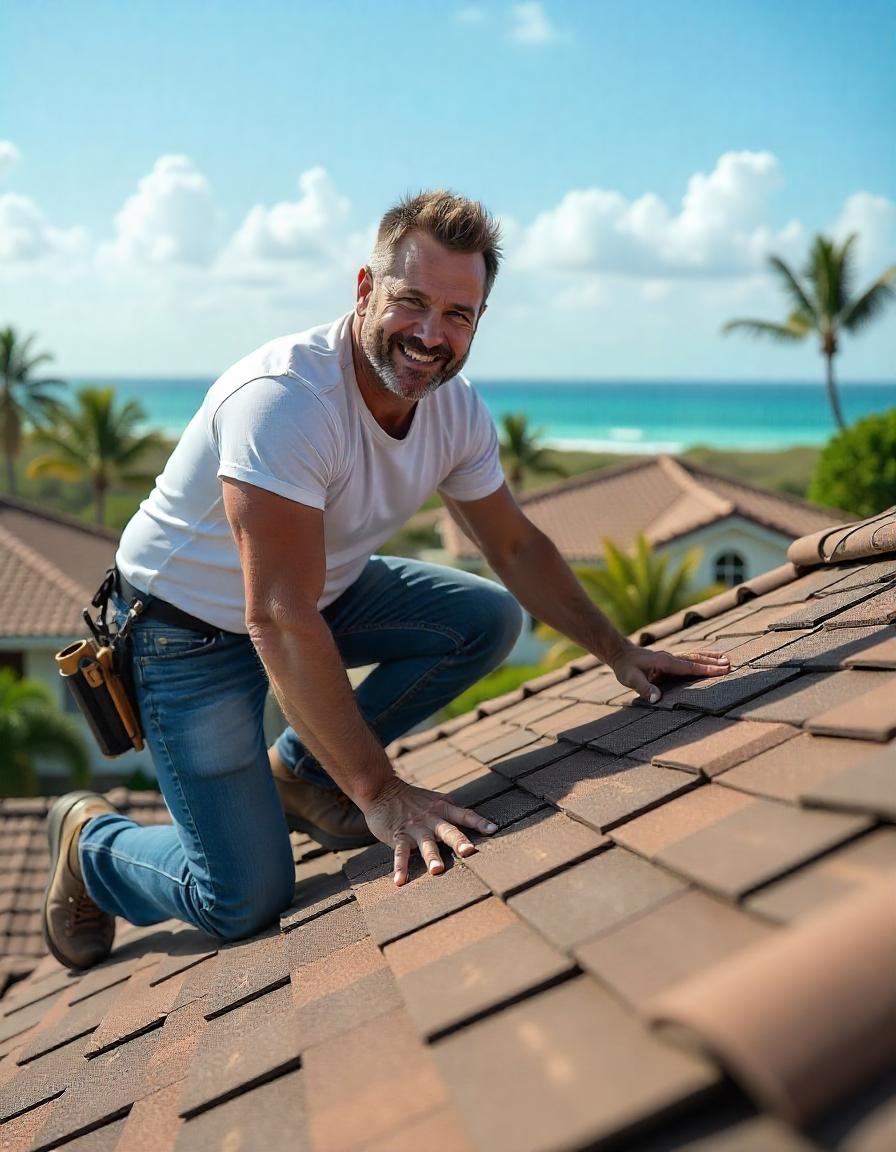
Introduction: Why Hurricane Season Prep Is Critical for Jacksonville Roofs
Hurricane season in Jacksonville, Florida, from June to November, brings intense storms that test the durability of your home’s roof. In Duval County’s humid, coastal climate, roofs face high winds exceeding 100 mph, torrential rain, and flying debris, as seen during Hurricane Ian in 2022, which left many Jacksonville homes with costly damage. For homeowners in Riverside’s historic districts, Nocatee’s modern suburbs, or coastal Jacksonville Beach, Jacksonville hurricane roof prep is essential to protect your property, ensure safety, and avoid devastating repairs in a competitive real estate market where home values average $350,000.
 Jacksonville’s weather—marked by 50+ inches of annual rainfall, 70–90% humidity, and hurricane-driven winds—can devastate unprepared roofs. Loose shingles in Arlington, rusted flashing in Ponte Vedra’s salty air, or clogged gutters in Mandarin’s wooded lots can lead to leaks, structural damage, or even total roof failure. These issues not only compromise safety but also lower home values in neighborhoods like San Marco or Southside, where buyers prioritize storm-ready properties. Proper preparation strengthens your roof against Northeast Florida’s toughest elements, preserving curb appeal and saving thousands in post-storm repairs, which can range from $5,000 for minor fixes to $30,000 for full replacements.
The stakes are high in Jacksonville’s diverse communities. Historic homes in Avondale or Springfield require hurricane prep that respects preservation guidelines, often mandating durable yet aesthetically matching materials like tile. Coastal properties near the St. Johns River or Jacksonville Beach face salt corrosion, demanding corrosion-resistant metal or composite roofs. Suburban areas like Julington Creek or Deerwood seek cost-effective solutions, such as impact-resistant asphalt shingles, to balance budgets and storm protection. Unprepared roofs risk insurance claim denials or reduced payouts, especially after storms like Ian exposed widespread vulnerabilities across Duval County. Proactive Jacksonville hurricane roof prep mitigates these risks, ensuring your home remains a secure, valuable asset.
Beyond protection, hurricane-ready roofing offers financial benefits. Upgraded roofs with 130 mph wind resistance qualify for insurance discounts (10–20%), saving hundreds annually, as seen in Mandarin. Energy-efficient materials, like reflective metal, cut cooling costs in 90°F summers, with Florida rebates offsetting $500–$1,000. In a market where buyers favor resilient homes, preparation boosts resale value, critical for Jacksonville’s booming real estate scene.
This guide provides actionable steps for preparing your Jacksonville roof for hurricane season, tailored to Duval County’s climate and architectural diversity. From inspections and repairs to material upgrades and local regulations, we’ll cover everything you need to ensure a hurricane-ready roof in Jacksonville, whether you’re in inland Arlington or coastal Ponte Vedra. You’ll also find tips on selecting contractors and leveraging insurance incentives.
Don’t leave your home vulnerable to the next storm—contact a trusted Jacksonville roofing contractor like Custom Roofing Solutions for a free inspection. Our team, with deep expertise in Duval County’s storm challenges, delivers tailored solutions to make your roof hurricane-ready, ensuring peace of mind all season long. Start your Jacksonville hurricane roof prep today and protect your investment in Florida’s toughest climate.
Understanding Jacksonville’s Hurricane Risks and Roof Vulnerabilities
Jacksonville’s location in Duval County, Florida, exposes homes to significant hurricane risks during the June–November season, making Jacksonville hurricane roof prep a critical task. With 50+ inches of annual rainfall, 70–90% humidity, and winds reaching 100+ mph during storms like Hurricane Ian in 2022, roofs face relentless challenges. Understanding these risks helps homeowners in neighborhoods like San Marco, Ponte Vedra, or Southside protect their properties.
Hurricanes bring multiple threats: high winds cause uplift, tearing off shingles or tiles; flying debris, like branches or coastal sand, cracks roofing materials; and torrential rain exploits weak seals, causing leaks. Coastal areas near Jacksonville Beach or the St. Johns River face salt air corrosion, rusting metal components and weakening fasteners. Humidity fosters mold and mildew, especially on asphalt shingles, while storm surges in low-lying Arlington can flood poorly sealed roofs.
Common roof vulnerabilities include loose asphalt shingles, prone to wind lift in Mandarin; cracked clay tiles, damaged by debris in Riverside; and rusted flashing, prevalent in Ponte Vedra’s salty air. Weak underlayment or clogged gutters, seen in Southside homes, exacerbate water damage during Jacksonville’s heavy rains. For example, Ian’s 2022 winds exposed weak roofs in Arlington, leading to $10,000–$30,000 in repairs for unprepared homeowners.
By addressing these vulnerabilities through proactive preparation, you prevent structural damage, maintain home value, and avoid insurance claim hassles in Duval County’s competitive market. A hurricane-ready roof in Jacksonville withstands Florida’s stormy climate, ensuring safety and longevity. The next section outlines signs that your roof needs pre-hurricane attention, helping you act before the season strikes.
Signs Your Jacksonville Roof Needs Pre-Hurricane Attention
Before hurricane season hits Jacksonville, Duval County homeowners must assess their roofs for issues that could worsen under storm conditions. Identifying these signs early ensures a hurricane-ready roof in Jacksonville, protecting homes in Riverside, Mandarin, or coastal Jacksonville Beach from costly damage.
- Visible Signs: Look for missing or loose asphalt shingles, common in Arlington after high winds, or cracked clay tiles, prevalent in historic San Marco. Rusted metal panels or flashing, especially in Ponte Vedra’s salty air, indicate corrosion risks. Clogged gutters, filled with oak leaves in Julington Creek or sand in Jacksonville Beach, block drainage, causing water pooling during heavy rains.
- Performance Issues: Leaks or water stains on ceilings, seen in Southside homes, signal underlayment or seal failures. Rising energy bills may indicate poor insulation or ventilation, common in older Mandarin roofs, reducing hurricane resilience. Sagging rooflines or soft spots suggest structural weaknesses, critical to address before 100+ mph winds hit Duval County.
- Age and History: Asphalt roofs over 15–20 years or those damaged by past storms, like Hurricane Ian (2022), are at risk. In Riverside, 25-year-old shingle roofs showed widespread failure post-Ian, requiring replacements. Coastal roofs near the St. Johns River often need earlier attention due to salt corrosion.
Schedule a professional inspection with a Jacksonville roofing contractor to catch hidden issues, like worn underlayment or subtle cracks, ensuring compliance with Duval County’s 130 mph wind codes. Act now to address these signs and safeguard your home’s value in Florida’s stormy climate.
Pre-Hurricane Roof Inspection Checklist for Jacksonville Homeowners
A thorough roof inspection is the cornerstone of Jacksonville hurricane roof prep, ensuring your Duval County home withstands the June–November storm season. Conduct inspections in May and after major storms, focusing on vulnerabilities in neighborhoods like Nocatee, San Marco, or Jacksonville Beach. Here’s a checklist tailored to Jacksonville’s climate.
- Shingles and Tiles: Check for loose, missing, or curled asphalt shingles, common in Arlington, or cracked clay/concrete tiles in Riverside. Secure or replace damaged pieces to prevent wind uplift in 100+ mph storms, as seen during Hurricane Ian (2022).
- Flashing and Fasteners: Inspect metal flashing around chimneys, vents, and skylights for rust, especially in coastal Jacksonville Beach where salt air corrodes steel. Tighten or replace fasteners to ensure a hurricane-ready roof in Jacksonville.
- Gutters and Drainage: Clear gutters of leaves, sand, or seaweed, prevalent in Ponte Vedra, to prevent water pooling during Jacksonville’s 50+ inches of rainfall. Ensure downspouts direct water away from the foundation.
- Underlayment and Seals: Look for signs of worn underlayment, like leaks in Mandarin homes, or cracked sealants around penetrations. These weaknesses cause water damage in heavy rains, compromising structural integrity.
- Attic Ventilation: Verify that vents (ridge, soffit) are clear to reduce moisture and wind uplift, critical in Southside’s humid 90°F summers. Poor ventilation weakens roofs during hurricanes.
For safety, use binoculars for initial checks, but hire a Jacksonville roofing contractor for thorough inspections, especially on steep or high roofs in windy Duval County. Local experts ensure compliance with 130 mph wind codes and spot coastal issues like salt corrosion near the St. Johns River. Contact Custom Roofing Solutions for a free inspection to make your roof hurricane-ready in Jacksonville.
Securing Your Roof: Reinforcing Shingles, Tiles, and Panels
Reinforcing your roof’s materials is a key step in Jacksonville hurricane roof prep, ensuring durability against Duval County’s high winds and debris. Homeowners in Riverside, Nocatee, or Jacksonville Beach can strengthen shingles, tiles, or panels to withstand hurricanes like Ian (2022), which tested roofs across Jacksonville.
- Asphalt Shingles: Loose shingles, common in Arlington, lift in 100+ mph winds. Apply roofing cement under edges or install impact-resistant shingles (UL 2218 certified) for 130 mph resistance, qualifying for insurance discounts in Duval County. A Southside homeowner reinforced their shingles pre-season, avoiding damage during a 2022 tropical storm.
- Clay/Concrete Tiles: Cracked tiles in historic San Marco fail under debris impact. Secure tiles with hurricane straps or adhesive foam, boosting resistance to 150 mph winds. Inspect for cracks and replace damaged tiles to prevent leaks in Jacksonville’s heavy rains.
- Metal Roofs: Metal panels in coastal Jacksonville Beach resist hurricanes but require tight fasteners to prevent uplift. Apply corrosion-resistant coatings to combat salt air near the St. Johns River. A Ponte Vedra metal roof, reinforced before Ian, remained intact while others failed.
DIY reinforcement is feasible for low roofs, using cement or straps from local suppliers like Home Depot in Mandarin. However, complex tasks or steep roofs demand a Jacksonville roofing contractor to ensure wind-rated upgrades meet Florida Building Code standards. Professional reinforcement enhances your hurricane-ready roof in Jacksonville, protecting your home’s value in Florida’s stormy climate. Contact Custom Roofing Solutions to secure your roof today.
Upgrading to Hurricane-Ready Roofing Materials in Jacksonville
Upgrading to hurricane-resistant roofing materials is a proactive step in Jacksonville hurricane roof prep, ensuring your Duval County home withstands the June–November storm season. Materials like impact-resistant asphalt, metal, tile, or composite offer durability, boosting safety and value in neighborhoods like Riverside, Ponte Vedra, or Southside.
 Impact-Resistant Asphalt Shingles: Costing $4–$8/sq. ft. with a 15–30-year lifespan, these shingles resist 130 mph winds and debris, ideal for suburban Arlington or Mandarin. Algae-resistant coatings combat Jacksonville’s 70–90% humidity, and upgrades average $8,000–$15,000, delivering 60% ROI at resale.
- Metal Roofs: Priced at $8–$15/sq. ft. with a 40–70-year lifespan, metal roofs (aluminum or steel) withstand 140 mph winds, perfect for coastal Jacksonville Beach where salt corrosion is a concern. Reflective coatings cut cooling costs by 10–20% in 90°F summers, costing $15,000–$30,000. A Nocatee metal roof resisted Ian’s 2022 winds, saving repair costs.
- Clay/Concrete Tiles: At $10–$20/sq. ft. with a 50+ year lifespan, tiles offer 150 mph wind resistance, suiting historic Riverside’s Mediterranean homes. They resist mold and salt air near the St. Johns River, costing $20,000–$40,000 but boosting value in upscale San Marco.
- Composite Roofs: Costing $8–$14/sq. ft. with a 50+ year lifespan, composite mimics slate or tile, resisting 130 mph winds and UV damage. Lightweight and eco-friendly, they’re popular in Southside, averaging $15,000–$28,000.
These materials meet Florida Building Code’s 130 mph wind standards, qualify for insurance discounts, and enhance energy efficiency, critical in Duval County’s market. Work with a Jacksonville roofing contractor to select and install hurricane-ready materials tailored to your home’s style and Florida’s stormy climate. Contact Custom Roofing Solutions for a free material consultation.
Strengthening Roof Underlayment and Flashing for Jacksonville Storms
Upgrading underlayment and flashing is a vital part of Jacksonville hurricane roof prep, protecting Duval County homes from torrential rains and high winds. These components, often overlooked, prevent leaks and structural damage in neighborhoods like Mandarin, Jacksonville Beach, or Riverside during storms like Hurricane Ian (2022).
- Underlayment: This waterproof layer beneath shingles or tiles is critical in Jacksonville’s 50+ inches of rainfall. Synthetic or self-adhering membranes offer superior protection over traditional felt, resisting tears in 100+ mph winds. A Mandarin homeowner’s synthetic underlayment prevented leaks during Ian, unlike neighbors with outdated felt. Upgrade costs $1–$2/sq. ft., adding $2,000–$4,000 for a 2,000 sq. ft. roof.
- Flashing: Metal strips around chimneys, vents, or skylights seal vulnerable areas. In coastal Jacksonville Beach, salt air corrodes steel flashing, so use aluminum or stainless steel for durability near the St. Johns River. Reinforce with high-quality caulk to prevent wind-driven rain entry, common in Ponte Vedra. Flashing upgrades cost $500–$1,500, depending on roof size.
Weak underlayment or flashing fails under Jacksonville’s heavy rains, leading to costly interior damage. Professional installation by a Jacksonville roofing contractor ensures compliance with Duval County’s 130 mph wind codes, using materials suited for Florida’s humid, stormy climate. For example, upgraded flashing in Southside homes blocked leaks during 2022 storms, saving thousands. Contact Custom Roofing Solutions to strengthen your roof’s underlayment and flashing for a hurricane-ready roof in Jacksonville.
Clearing Debris and Trimming Trees Around Your Jacksonville Roof
Clearing debris and trimming trees is a crucial step in Jacksonville hurricane roof prep, preventing damage from Duval County’s high winds and heavy rains. Homeowners in Arlington, Julington Creek, or Jacksonville Beach must address these risks to ensure a hurricane-ready roof in Jacksonville during the June–November season.
- Debris Risks: Leaves, pine needles, or oak branches in wooded Mandarin clog gutters, causing water pooling during Jacksonville’s 50+ inches of rainfall. Coastal homes near Jacksonville Beach accumulate sand or seaweed, blocking drainage and weakening shingles. Clear gutters and roof surfaces biweekly in May to prevent buildup, reducing leak risks during storms like Hurricane Ian (2022).
- Tree Hazards: Overhanging branches in Arlington or Julington Creek can snap in 100+ mph winds, denting tiles or tearing shingles. Trim trees 6–10 feet from your roof, focusing on weak or dead branches. A Riverside homeowner’s untrimmed oak caused $5,000 in roof damage during Ian, underscoring the need for action.
DIY debris removal is manageable with a leaf blower or hose, available at Lowe’s in Southside, but tree trimming requires caution. Hire Jacksonville arborists or roofing contractors for safe, professional trimming, especially for tall trees in windy Duval County. Coastal homeowners in Ponte Vedra should rinse sand regularly to protect against abrasion. Contact Custom Roofing Solutions for debris and tree assessments to safeguard your roof in Florida’s stormy climate.
Improving Roof Ventilation for Jacksonville’s Hot, Humid Hurricanes
Proper roof ventilation is a key component of Jacksonville hurricane roof prep, protecting Duval County homes from moisture, heat, and wind damage during the June–November season. Effective ventilation ensures a hurricane-ready roof in Jacksonville, benefiting neighborhoods like Southside, Mandarin, or Riverside in Florida’s 90°F, humid climate.
Ventilation prevents moisture buildup in Jacksonville’s 70–90% humidity, reducing mold growth on asphalt shingles or underlayment, common in Arlington. It also lowers attic temperatures, easing AC strain and extending roof lifespan in Duval County’s scorching summers. During hurricanes, vents equalize air pressure, reducing wind uplift that tears shingles, as seen in Ponte Vedra during Hurricane Ian (2022).
Ventilation Options: Ridge vents along the roof peak allow hot air to escape, ideal for San Marco homes. Soffit vents under eaves promote airflow, while powered attic fans, used in Nocatee, enhance circulation. Ensure vents are hurricane-rated to resist debris and rain intrusion, per Florida Building Code.
A Southside homeowner reduced cooling costs by 10% after installing ridge vents, also strengthening their roof against 100+ mph winds. Professional assessment by a Jacksonville roofing contractor ensures optimal vent placement and compliance with 130 mph wind codes, critical near the St. Johns River. Contact Custom Roofing Solutions to upgrade ventilation for a hurricane-ready roof in Jacksonville, enhancing durability and efficiency.
Waterproofing Your Jacksonville Roof Against Heavy Rainfall
Waterproofing is a critical aspect of Jacksonville hurricane roof prep, protecting Duval County homes from the torrential rains of hurricane season. With 50+ inches of annual rainfall and storms like Hurricane Ian (2022) dumping inches in hours, a watertight roof is essential for neighborhoods like San Marco, Jacksonville Beach, or Ponte Vedra.
- Sealants: Apply high-quality silicone or polyurethane sealants around vents, skylights, and flashing to block wind-driven rain, common in Mandarin. Reapply every 2–3 years, costing $200–$500, to maintain integrity in Jacksonville’s 70–90% humidity.
- Drip Edges: Install metal drip edges along eaves to direct water into gutters, preventing fascia damage in Southside homes. These cost $1–$2/linear foot and are vital for coastal Jacksonville Beach, where salt-laden rain accelerates wear.
- Valleys and Underlayment: Reinforce roof valleys with waterproof membranes to channel heavy runoff, critical in Riverside’s sloped roofs. Use self-adhering underlayment for extra protection, adding $2,000–$4,000 but preventing leaks seen in Arlington during Ian.
A San Marco homeowner’s waterproofing upgrades blocked leaks in 2022, saving $3,000 in interior repairs. Professional installation by a Jacksonville roofing contractor ensures watertight seals meet Duval County’s 130 mph wind codes, using materials suited for Florida’s stormy climate. Contact Custom Roofing Solutions to waterproof your roof for a hurricane-ready solution in Jacksonville.
Navigating Jacksonville’s Regulations for Hurricane-Ready Roofs
Preparing your roof for hurricane season in Jacksonville requires compliance with Duval County’s regulations to ensure safety and avoid fines. Homeowners in Nocatee, Deerwood, or Riverside must navigate these rules for a hurricane-ready roof in Jacksonville, especially after storms like Hurricane Ian (2022) highlighted code importance.
Duval County enforces the Florida Building Code, mandating roofs withstand 130 mph winds, critical for Jacksonville’s hurricane-prone climate. Major repairs or upgrades, like underlayment replacement or new shingles, require permits ($100–$300) through the City of Jacksonville’s Building Inspection Division. Coastal areas like Jacksonville Beach need corrosion-resistant materials, per code, to combat salt air near the St. Johns River.
Homeowners Associations (HOAs), prevalent in Mandarin or Nocatee, enforce aesthetic rules, such as approved shingle colors or tile styles, to maintain community standards. A Deerwood homeowner faced delays for unapproved materials, underscoring the need for HOA compliance. Check your HOA’s guidelines before starting work.
Hire a Jacksonville roofing contractor familiar with local codes and permitting processes to streamline approvals and ensure wind and safety standards are met. Visit the City of Jacksonville’s permitting website or contact Custom Roofing Solutions for expert guidance. Compliance ensures your Jacksonville hurricane roof prep enhances durability and value in Florida’s stormy climate.
Choosing a Jacksonville Roofing Contractor for Hurricane Prep
Selecting a trusted Jacksonville roofing contractor is essential for effective Jacksonville hurricane roof prep, ensuring your Duval County home is ready for the June–November season. Homeowners in Riverside, Mandarin, or Ponte Vedra need a contractor with local expertise to deliver a hurricane-ready roof in Jacksonville.
Look for a licensed, insured contractor with a Florida contractor license and experience in Jacksonville’s hurricane-prone climate. Check reviews on Google or Angi for projects in San Marco or Southside, verifying their ability to handle coastal challenges like salt corrosion in Jacksonville Beach. A reputable contractor offers detailed estimates, warranties (5–10 years), and references from local jobs, ensuring compliance with Duval County’s 130 mph wind codes.
Avoid red flags: unlicensed roofers or post-storm scams, which surged after Hurricane Ian (2022) targeted Arlington homeowners with shoddy repairs. Verify credentials and request proof of insurance to protect against liability. A reliable contractor, like [Your Roofing Company Name], provides tailored solutions, such as impact-resistant shingles or corrosion-resistant flashing, suited for Florida’s stormy climate.
A Ponte Vedra homeowner praised their contractor for completing hurricane prep in two days, securing their metal roof before a 2022 storm. Schedule a free inspection with Custom Roofing Solutions to assess your roof and get a customized prep plan. Our Jacksonville roofing experts ensure your home is protected, enhancing value and safety. Contact us today to start your hurricane prep.
Post-Storm Roof Maintenance Tips for Jacksonville Homeowners
After a hurricane strikes Jacksonville, Duval County homeowners must perform post-storm maintenance to maintain a hurricane-ready roof in Jacksonville and prevent further damage. Quick action in neighborhoods like Arlington, Jacksonville Beach, or Riverside ensures durability in Florida’s stormy climate.
- Immediate Steps: Check for leaks, indicated by ceiling stains in Mandarin homes, or missing shingles, common in Southside after 100+ mph winds. Inspect tiles for cracks in San Marco or metal panels for dents in Ponte Vedra. Remove debris like branches or seaweed, prevalent near the St. Johns River, to prevent water pooling.
- Coastal Concerns: Rinse salt residue from metal roofs in Jacksonville Beach to combat corrosion, worsened by storm surges during Hurricane Ian (2022). Use a garden hose to clear sand, which abrades shingles, reducing lifespan in coastal areas.
- Repairs: Patch small leaks with roofing cement, replace damaged shingles or tiles, and reinforce flashing with caulk, costing $200–$1,000. Severe damage, like torn underlayment in Arlington post-Ian, requires professional repairs to prevent $5,000–$10,000 in interior damage. Document all damage for insurance claims, critical in Duval County.
Hire a Jacksonville roofing contractor for thorough post-storm assessments and code-compliant repairs, ensuring your roof meets 130 mph wind standards. A Riverside homeowner’s prompt repairs after Ian saved their historic tile roof. Contact Custom Roofing Solutions for expert post-storm maintenance to keep your roof resilient in Jacksonville’s climate.
Insurance and Financial Incentives for Jacksonville Hurricane Prep
Investing in Jacksonville hurricane roof prep can yield significant insurance and financial benefits for Duval County homeowners, reducing costs and enhancing home value. Upgrades in neighborhoods like Mandarin, Southside, or Jacksonville Beach qualify for discounts and rebates, especially after storms like Hurricane Ian (2022) highlighted resilient roofs.
- Insurance Discounts: Duval County insurers offer premium reductions (10–20%) for impact-resistant materials like metal (140 mph rating) or tile (150 mph), meeting Florida Building Code standards. A Mandarin homeowner saved 15% annually ($600) after installing impact-resistant shingles. Document upgrades, including receipts and photos, to streamline claims post-storm, critical in Jacksonville’s hurricane-prone market.
- Financial Rebates: Florida’s Energy Office provides rebates ($500–$1,000) for reflective roofs, like metal or light-colored tile, reducing cooling costs by 10–20% in 90°F summers. These upgrades, popular in Nocatee, also boost resale value. Check eligibility through local utilities or consult a Jacksonville roofing contractor.
- Local Tip: Work with insurers or Custom Roofing Solutions to verify qualifying materials, ensuring compliance with 130 mph wind codes. A Southside homeowner leveraged rebates and discounts, offsetting 20% of their $15,000 metal roof upgrade. Invest in hurricane-ready roofing in Jacksonville to save money and protect your home near the St. Johns River. Contact us for a free consultation to explore incentives.
Conclusion: Protect Your Jacksonville Home with Hurricane-Ready Roofing
Preparing your Jacksonville roof for hurricane season is a critical investment in safety, home value, and peace of mind for Duval County homeowners. From June to November, storms like Hurricane Ian (2022) test roofs in Riverside’s historic districts, Nocatee’s modern suburbs, Jacksonville Beach’s coastal retreats, and beyond with high winds, heavy rain, and flying debris. By following this guide’s steps—inspections, reinforcements, material upgrades, waterproofing, and post-storm care—you ensure a hurricane-ready roof in Jacksonville, built to withstand Florida’s toughest climate.
Regular inspections catch issues like loose shingles or rusted flashing, preventing minor problems from escalating during 100+ mph winds. Securing materials, such as impact-resistant shingles in Arlington or hurricane-strapped tiles in San Marco, and upgrading underlayment prevent leaks in Jacksonville’s 50+ inches of annual rainfall. Clearing debris and trimming trees, vital in wooded Mandarin or Julington Creek, reduce damage risks from falling branches or clogged gutters.
Ventilation and waterproofing combat 70–90% humidity and torrential rains, while choosing hurricane-resistant materials like metal or tile boosts durability and qualifies for insurance savings in Duval County’s competitive market. Post-storm maintenance, as seen in Arlington after Ian, preserves your roof’s longevity, avoiding $5,000–$30,000 in repairs.
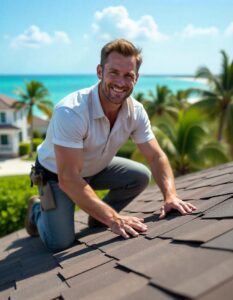 A hurricane-ready roof not only protects your home’s structural integrity but also enhances resale value, critical in Jacksonville’s thriving $350,000 average home market. For example, a Ponte Vedra homeowner’s metal roof upgrade increased their appraisal by 12% while cutting cooling costs by 15%. Compliance with Duval County’s 130 mph wind codes ensures your roof meets Florida Building Code standards, while leveraging energy rebates ($500–$1,000) and insurance discounts (10–20%) makes preparation cost-effective. These upgrades are especially vital near the St. Johns River, where coastal salt air and storm surges, like those during Ian, challenge even well-maintained roofs.
Jacksonville’s diverse communities—from historic Springfield to growing Southside—require tailored hurricane prep. Coastal homes in Jacksonville Beach need corrosion-resistant materials to combat salt air, while inland properties in Deerwood benefit from reflective roofs to reduce 90°F summer heat. Historic districts like Avondale demand materials that preserve architectural charm, often guided by HOA or preservation rules. A hurricane-ready roof in Jacksonville aligns with these unique needs, ensuring your home remains a safe, valuable asset in Duval County’s dynamic real estate landscape, whether you’re selling or staying for decades.
Don’t wait for the next storm to expose vulnerabilities—take action now to protect your investment. Schedule a free inspection with Custom Roofing Solutions, your trusted Jacksonville roofing contractor. Our experts deliver customized solutions, from reinforcing historic tile roofs in San Marco to installing corrosion-resistant metal in Ponte Vedra’s coastal properties, ensuring your roof stands strong against Florida’s harshest storms. With deep knowledge of Duval County’s climate, codes, and community needs, we provide peace of mind through expert craftsmanship and compliance with 130 mph wind standards.
Contact Custom Roofing Solutions today to start your Jacksonville hurricane roof prep and enjoy a secure, resilient home all season long. Let us help you safeguard your property and thrive in Northeast Florida’s stormy climate.
continue reading
Related Posts
Introduction: The Importance of Year-Round Roof Maintenance in Jacksonville Your

Introduction: The Importance of Roof Maintenance in Jacksonville Beach Living
SERVING TAMPA, ST. PETE & ORLANDO
Empowering Your Vision
CENTRAL FLORIDA

CALL TODAY AT (813) 644-2213
Custom Roof Solutions is proud to serve Tampa & Orlando homeowners and businesses with industry-leading roofing and solar services. Whether you need to protect your property from the unpredictable Florida weather or lower your energy costs with solar power, our experienced team is here to provide reliable solutions tailored to your needs.
SERVING JACKSONVILLE AREAS
Empowering Your Vision
NORTH FLORIDA
CALL TODAY AT (904) 808-3550
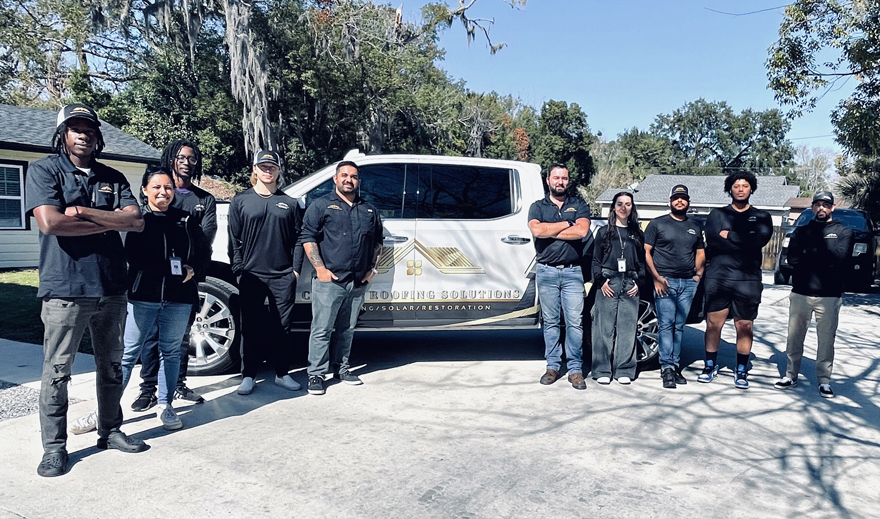
At Custom Roof Solutions, we understand Jacksonville’s unique weather conditions and architectural styles. Whether it’s protecting your home from hurricane-force winds, foof repairs or enhancing its curb appeal with a modern design, our experienced team delivers superior results and ensures long-lasting durability with our premium materials.
 VETERAN OWNED & OPERATED COMPANY