
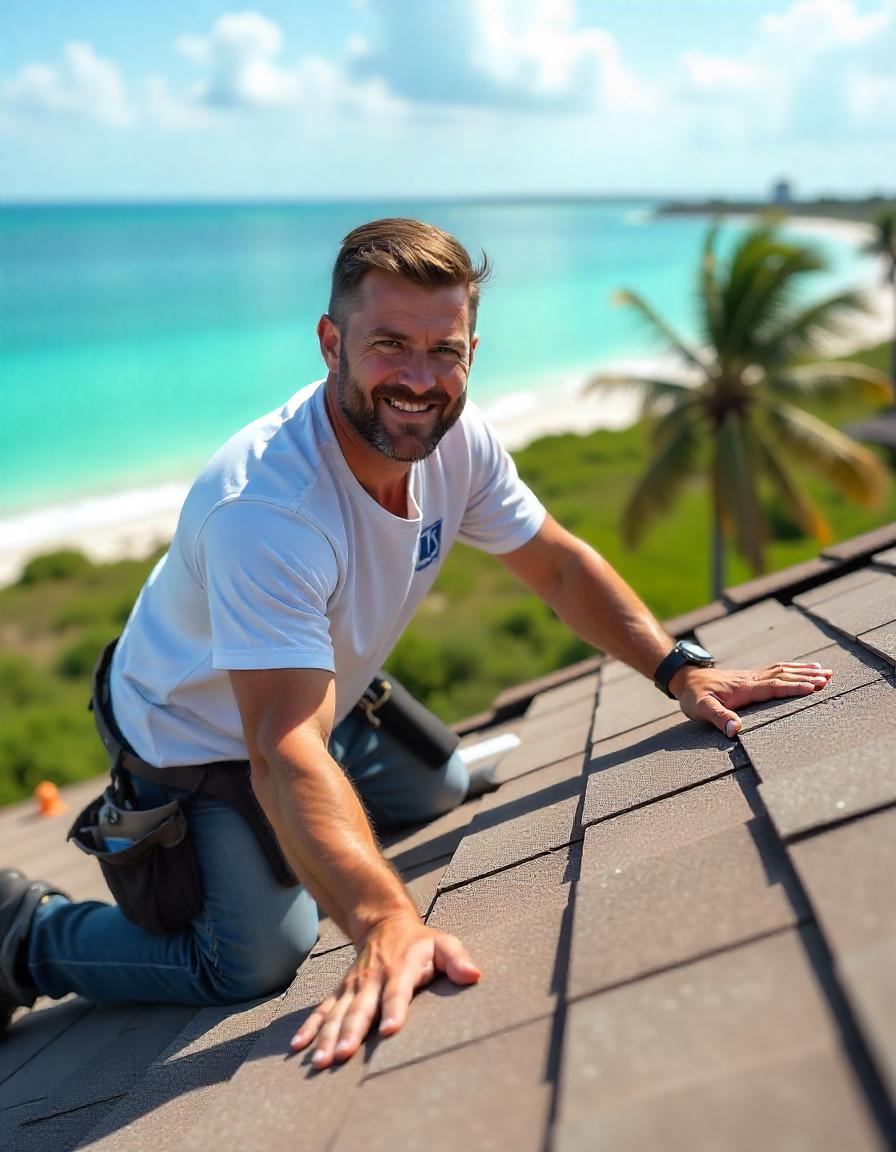
Introduction: Why Choosing the Right Jacksonville Roofer Matters
Selecting a skilled roofer in Jacksonville, Florida, is a decision that carries profound implications for homeowners. Your roof is not merely a structural component; it serves as the primary defense against the region’s formidable weather, enhances your home’s curb appeal, and significantly influences energy efficiency.
In Jacksonville, where hurricanes whip through the Atlantic coast, torrential rains drench neighborhoods, and relentless humidity fosters mold, a poorly installed or maintained roof can lead to catastrophic consequences. Leaks can infiltrate walls, mold can compromise indoor air quality, and structural damage can erode your home’s foundation.
 Conversely, a well-chosen Jacksonville roofer delivers a roof that stands resilient against these challenges, ensuring your home in Riverside, San Marco, or Mandarin remains secure, durable, and visually striking for decades.
The stakes are particularly high in Jacksonville, a city defined by its proximity to the St. Johns River and the Atlantic Ocean. The coastal climate demands roofing solutions that can withstand wind speeds exceeding 100 mph during hurricane season, temperatures that soar past 90°F in summer, and humidity levels that hover near 80%.
A substandard roofer may cut corners, using inferior materials or improper techniques that fail under these conditions, leaving homeowners with costly repairs or premature replacements. In contrast, a reputable Jacksonville roofing company brings expertise tailored to local needs, offering peace of mind and long-term value.
This comprehensive guide is designed to empower Jacksonville homeowners, whether you’re addressing a minor leak in Avondale, planning a full roof replacement in Ortega, or installing a new roof in Nocatee’s burgeoning communities. By delving into licensing, materials, local regulations, and warning signs, this article provides a detailed roadmap to find a trustworthy roofer and protect your investment.
From understanding Jacksonville’s unique climate to navigating financing options, we’ll cover every facet of the process, ensuring you make an informed choice that safeguards your home for generations.
Understanding Jacksonville’s Unique Roofing Challenges
Jacksonville’s coastal location creates a uniquely demanding environment for roofing, shaped by its position along the St. Johns River and near the Atlantic Ocean. The city’s climate is characterized by high humidity, frequent heavy rainfall, and the ever-present threat of hurricanes, with summer temperatures often climbing into the mid-90s and intense UV exposure accelerating material degradation. These conditions pose significant challenges for homeowners and roofers alike, making the selection of a knowledgeable Jacksonville roofer critical to long-term success.
Humidity levels, often exceeding 75%, foster mold and algae growth on roofing surfaces, particularly on asphalt shingles, which can compromise both aesthetics and functionality. Heavy rains, especially during the rainy season from May to October, test a roof’s waterproofing, exposing weak spots in aging or poorly installed systems. Hurricanes and tropical storms, which can bring wind gusts of 100–150 mph, are a recurring concern, capable of lifting shingles, cracking tiles, or causing structural damage to inadequately secured roofs.
Beyond weather, Jacksonville’s coastal proximity introduces additional challenges. Salt-laden air, particularly in areas like Jacksonville Beach or Atlantic Beach, accelerates corrosion of metal components, necessitating specialized materials and coatings. Intense sunlight, unrelenting for much of the year, causes thermal expansion and contraction in roofing materials, leading to cracks or fading over time.
Homeowners frequently encounter issues such as leaks that seep into attics, wind-driven damage that scatters debris across yards, and moisture-related problems that require vigilant maintenance. For example, a poorly sealed roof in Mandarin may allow water to penetrate during a summer downpour, while a home in Riverside’s historic district might suffer shingle loss after a tropical storm. These challenges underscore the need for a Jacksonville roofer who understands the local environment and selects materials and techniques designed to withstand it.
Wind-resistant shingles, metal roofs with corrosion-resistant coatings, or tile roofs with robust anchoring systems are often recommended to combat Jacksonville’s stormy seasons. By prioritizing local expertise, homeowners can ensure their roofs are built to endure the city’s demanding conditions, providing both protection and peace of mind.
Types of Roofing Services Available in Jacksonville
Before engaging a Jacksonville roofer, homeowners must understand the diverse array of roofing services available to align their needs with the right contractor. Each service addresses specific challenges, from minor repairs to large-scale installations, and requires distinct expertise. Roof repairs are a common necessity in Jacksonville, particularly after hurricanes or heavy rains that batter neighborhoods like Ponte Vedra or Southside.
These repairs focus on localized issues, such as patching leaks, replacing missing shingles, or repairing damaged flashing, and are often the most cost-effective solution when damage is confined to a small area. For instance, a homeowner in Arlington might need a quick fix for a storm-damaged section of their roof, avoiding the expense of a full replacement. Repairs require precision to prevent recurring issues, especially in Jacksonville’s wet climate, where even small leaks can escalate into major water damage.
Roof replacements, by contrast, involve removing the existing roof and installing a new one, a process suited for older roofs approaching 15–20 years or those with widespread damage. In Jacksonville, where aging homes in historic areas like Springfield or Avondale often feature outdated roofing systems, replacements are a frequent choice.
This service demands careful planning, as the new roof must comply with local building codes and withstand the city’s harsh weather. New roof installations are essential for newly constructed homes or major renovations, particularly in rapidly growing Jacksonville neighborhoods like Nocatee, Bartram Springs, or Jacksonville Beach. These projects allow homeowners to customize their roof’s design and materials, tailoring them to both aesthetic preferences and environmental demands. For example, a new home in Nocatee might opt for a metal roof to maximize durability against coastal winds.
Specialty services cater to unique needs, broadening the options available to Jacksonville homeowners. Flat roofs, common in commercial properties or modern residential designs, require specialized waterproofing techniques to prevent pooling water, a significant concern in Jacksonville’s rainy climate. Metal roofing, prized for its longevity and wind resistance, is gaining popularity in coastal areas like Fernandina Beach, where it withstands salt corrosion and storm impacts. Eco-friendly options, such as cool roofs with reflective coatings, are increasingly sought after in Jacksonville to reduce cooling costs during sweltering summers.
Each service demands a roofer with relevant experience, as the skills required for a flat roof differ markedly from those for a historic tile roof in Riverside. By clarifying their needs—whether a quick repair, a full replacement, or a specialized installation—homeowners can select a Jacksonville roofing contractor equipped to deliver high-quality, lasting results.
Key Qualities to Look for in a Jacksonville Roofer
Identifying a reputable Jacksonville roofer hinges on evaluating several critical qualities that ensure a successful project. Foremost among these is experience with Jacksonville’s unique climate, where hurricanes, humidity, and intense sunlight pose constant challenges. A seasoned roofer understands how to select materials that resist wind speeds of 130 mph or higher, combat algae growth in humid conditions, and reflect heat to maintain energy efficiency.
For example, a contractor familiar with Jacksonville’s coastal neighborhoods like Atlantic Beach will recommend corrosion-resistant metal or high-impact shingles to withstand salt air and storm surges. This local expertise ensures the roof is tailored to the city’s environmental demands, maximizing durability and performance.
Transparency in communication is another hallmark of a trustworthy Jacksonville roofer. Reliable contractors provide detailed estimates that outline costs for labor, materials, and permits, explaining the scope of work in clear, accessible terms. They welcome questions, address concerns promptly, and avoid vague or evasive responses.
This openness fosters trust, particularly for complex projects like a full roof replacement in San Marco, where homeowners need clarity on timelines and potential challenges. Quality workmanship is equally essential, as a roof’s longevity depends on precise installation and attention to detail. A roofer’s portfolio of past projects in Jacksonville, showcasing well-installed roofs in neighborhoods like Mandarin or Ortega, serves as evidence of their skill. Requesting photos or site visits to completed projects can provide further assurance of their craftsmanship.
A strong reputation within the Jacksonville community is a key indicator of reliability. Positive reviews on platforms like Google or Yelp, coupled with a high rating from the Better Business Bureau, reflect a contractor’s commitment to customer satisfaction.
For instance, a roofer with glowing testimonials from homeowners in Riverside’s historic district likely has a track record of respecting architectural guidelines while delivering durable results. Finally, a commitment to safety is non-negotiable, as roofing is inherently hazardous. Contractors who prioritize safety protocols protect their workers, your property, and your liability, ensuring a smooth project. By focusing on these qualities—local expertise, transparency, quality, reputation, and safety—homeowners can select a Jacksonville roofing company that delivers exceptional results tailored to the city’s unique needs.
Licensing and Certifications for Jacksonville Roofers
Florida’s stringent licensing requirements for roofing contractors are designed to protect homeowners, and Jacksonville residents must verify these credentials to ensure compliance and quality. The state offers two types of roofing licenses: the Certified Roofing Contractor (CCC) license, which permits work across Florida, including Jacksonville, and the Registered Roofing Contractor (CRC) license, restricted to specific counties.
The CCC is generally preferred for its broader scope and rigorous requirements, including a comprehensive exam and proof of experience. Homeowners can verify a roofer’s license through the Florida Department of Business and Professional Regulation (DBPR) website, which provides up-to-date information on license status and disciplinary actions. This step is critical in Jacksonville, where unlicensed contractors may exploit post-storm demand, offering low prices but delivering substandard work.
Industry certifications further distinguish reputable Jacksonville roofers, signaling advanced training and adherence to high standards. Certifications like GAF Master Elite or CertainTeed SELECT ShingleMaster indicate a contractor’s expertise in specific materials and installation techniques, particularly valuable for hurricane-resistant roofs in Jacksonville. For example, a GAF Master Elite roofer has access to premium shingles with enhanced wind ratings, ideal for coastal areas like Jacksonville Beach.
These certifications often come with exclusive warranties, adding value to your investment. Additionally, roofing projects in Jacksonville typically require permits from the City of Jacksonville’s Building Inspection Division, which enforces compliance with the Florida Building Code. A licensed roofer should handle the permitting process, coordinating inspections to verify proper installation. For instance, a permit for a roof replacement in Avondale ensures the new roof meets wind resistance standards, protecting your home from future storms.
Verifying licensing and certifications is not merely a formality; it safeguards your Jacksonville home from legal and financial risks. Unlicensed contractors may fail to secure permits, leading to fines or issues when selling your property. Requesting proof of credentials, including license numbers and certification documents, is a prudent step. A legitimate Jacksonville roofer will provide these willingly, demonstrating their commitment to professionalism and compliance. By prioritizing licensed and certified contractors, you ensure your roofing project meets both state and local standards, delivering durability and peace of mind.
Insurance Requirements for Roofing Contractors in Jacksonville
Insurance is a cornerstone of any reputable Jacksonville roofing project, protecting homeowners from liability and ensuring contractor accountability. Without proper coverage, you risk financial responsibility for accidents or damage during the project, a significant concern given roofing’s inherent dangers. A trustworthy Jacksonville roofer carries two essential types of insurance: general liability and workers’ compensation.
General liability insurance covers property damage or injuries caused by the roofing work, such as a worker accidentally breaking a window or damaging your home’s siding in Riverside. This coverage ensures repairs are handled without out-of-pocket costs for you. Workers’ compensation insurance, mandated by Florida law for roofing companies with employees, protects you if a worker is injured on your property. For example, if a roofer falls while working on your Mandarin home, workers’ compensation covers medical expenses, shielding you from legal claims.
Verifying insurance is a critical step, particularly in Jacksonville, where storm-related projects attract unqualified or underinsured contractors. Request certificates of insurance from your roofer and contact the insurer directly to confirm coverage is active and adequate. This diligence is especially important after hurricanes, when “storm chasers” may offer quick fixes without proper insurance, leaving homeowners vulnerable.
For instance, a homeowner in Jacksonville Beach who hires an uninsured contractor risks liability if a worker is injured during a post-storm repair. A reputable Jacksonville roofing company will provide insurance documentation upfront, demonstrating professionalism and reliability. By ensuring your roofer is fully insured, you mitigate risks and gain confidence that your project will proceed smoothly, with protections in place for both you and the workers.
How to Research Jacksonville Roofing Companies
Thorough research is the bedrock of finding a reliable Jacksonville roofer, requiring a multi-faceted approach to evaluate credentials, reputation, and expertise. Start by exploring online platforms like Google, Yelp, and Angie’s List, which offer detailed reviews from Jacksonville homeowners about contractors’ performance.
These reviews provide insights into punctuality, quality of work, and communication, helping you identify roofers with consistent positive feedback. For example, a contractor praised for timely repairs in Ponte Vedra likely has the organizational skills needed for larger projects. Checking the Better Business Bureau’s ratings for Jacksonville roofing companies adds another layer of scrutiny, as an A+ rating indicates a history of resolving complaints and maintaining reliability. A roofer with a strong BBB profile in Jacksonville is more likely to prioritize customer satisfaction.
 Local recommendations are invaluable, tapping into the collective knowledge of Jacksonville’s tight-knit communities. Neighbors, friends, or members of community groups on platforms like Nextdoor or Facebook can share experiences with roofers who have worked in neighborhoods like Riverside, Mandarin, or San Marco. For instance, a homeowner in Avondale might recommend a roofer who expertly handled a historic tile roof, preserving the area’s architectural character. Visiting company websites is another critical step, allowing you to assess professionalism, services offered, and portfolios of past Jacksonville projects.
A well-designed website with photos of completed roofs in Ortega or Nocatee reflects a contractor’s commitment to transparency and quality. Requesting references from recent clients enables direct conversations about their experiences, providing firsthand insights into a roofer’s reliability and craftsmanship.
To streamline your research, compile a shortlist of 3–5 Jacksonville roofing companies with strong credentials, balancing online reviews, local endorsements, and professional presentations. Cross-reference their licensing and insurance status to ensure compliance, and prioritize those with a proven track record in your specific neighborhood.
For example, a roofer familiar with Jacksonville Beach’s coastal challenges may be better suited for a project in that area than one primarily serving inland areas like Arlington. By investing time in thorough research, you lay the foundation for a successful roofing project, ensuring you partner with a Jacksonville roofer who meets your needs and delivers lasting results.
The Importance of Local Experience in Jacksonville
Hiring a Jacksonville-based roofer offers distinct advantages over out-of-town contractors, rooted in their deep understanding of the city’s unique conditions and regulations. Local roofers are intimately familiar with Jacksonville’s building codes, which mandate wind resistance standards of 130–150 mph for coastal areas, ensuring roofs can withstand hurricane-force winds.
They navigate the City of Jacksonville’s permitting process with ease, coordinating inspections and securing approvals without delays. This expertise is critical for projects in neighborhoods like Springfield or Riverside, where historic preservation guidelines may impose additional requirements. A local roofer’s knowledge of these nuances ensures compliance and prevents costly setbacks.
Jacksonville’s climate—marked by high humidity, intense UV exposure, and frequent storms—demands specialized materials and techniques, and local roofers excel in this area. They understand how to combat algae growth in humid conditions, select corrosion-resistant metals for coastal homes in Jacksonville Beach, or install reflective coatings to reduce cooling costs in Mandarin’s sweltering summers.
For example, a roofer based in Atlantic Beach will prioritize wind-resistant shingles or metal roofs to protect against salt air and storm surges, a level of specificity an out-of-town contractor may overlook. Accessibility is another key benefit, as local roofers are readily available for follow-up services, warranty claims, or emergency repairs, particularly after Jacksonville’s hurricane season. A contractor based in Nocatee, for instance, can quickly respond to a leak in a nearby home, minimizing damage.
Choosing a Jacksonville roofing company also supports the local economy, fostering community ties and accountability. Local roofers rely on their reputation within neighborhoods like Ortega or San Marco, incentivizing them to deliver high-quality work and maintain customer satisfaction. In contrast, out-of-town contractors may lack this stake in the community, reducing their accountability. By prioritizing local experience, homeowners gain a partner who understands Jacksonville’s environmental and regulatory landscape, ensuring a roof that withstands the city’s challenges and enhances your home’s value.
Questions to Ask Potential Jacksonville Roofers
Engaging potential roofers with targeted questions is a powerful way to assess their expertise, reliability, and suitability for your project. Begin by exploring their experience serving Jacksonville homeowners, asking how long they’ve operated in the area and whether they can provide references from projects in neighborhoods like San Marco, Ortega, or Avondale.
A roofer with a decade of work in Jacksonville will likely have a deep understanding of local needs, from historic preservation to coastal durability. Inquire about their approach to Jacksonville’s hurricane-related challenges, such as selecting materials with high wind ratings or reinforcing roof decks to withstand storm impacts. For example, a contractor should explain how they install shingles with enhanced nailing patterns to meet Florida Building Code standards.
Clarify the warranties they offer on both materials and workmanship, ensuring coverage aligns with industry norms—typically 20–50 years for materials and 1–10 years for installation. Ask for written warranty details and their process for handling claims, as a local roofer in Jacksonville is more likely to honor commitments than an out-of-town firm.
Confirm their approach to permits and inspections with the City of Jacksonville, as a reputable contractor will manage these requirements seamlessly, ensuring compliance with wind resistance and safety standards. Explore how they address unexpected issues, such as hidden water damage discovered during a replacement in Riverside, and whether they have contingency plans for Jacksonville’s unpredictable weather, like summer downpours.
Ask whether their workers are employees or subcontractors, and verify that all personnel are insured to protect you from liability. For instance, a roofer using subcontractors for a project in Mandarin should provide proof of workers’ compensation coverage. Inquire about their safety protocols, as roofing is hazardous, and a commitment to safety reflects professionalism.
Clear, confident answers to these questions signal a roofer’s competence, while evasive responses or lack of local knowledge are warning signs. A reputable Jacksonville roofer will welcome this scrutiny, providing detailed explanations that build trust and demonstrate their ability to deliver a high-quality, durable roof tailored to your needs.
Understanding Roofing Materials for Jacksonville Homes
Selecting the right roofing material is a pivotal decision in Jacksonville’s challenging climate, where humidity, storms, and heat demand durability and performance. Asphalt shingles are a staple in Jacksonville due to their affordability, versatility, and availability, with many brands offering wind-resistant options rated for 110–130 mph, ideal for the city’s stormy seasons.
These shingles come in a range of colors and styles, complementing homes in neighborhoods like Ponte Vedra or Arlington. However, their susceptibility to algae growth in Jacksonville’s humid conditions requires regular maintenance, and their lifespan of 15–30 years is shorter than other materials. Homeowners must weigh these factors, as a poorly maintained asphalt roof in Riverside may show unsightly streaks within a decade.
Metal roofing is gaining traction in Jacksonville, particularly in coastal areas like Jacksonville Beach or Fernandina Beach, where its durability and wind resistance up to 140 mph make it a standout choice. Metal roofs reflect heat, reducing cooling costs in Jacksonville’s sweltering summers, and their longevity of 40–70 years offers excellent value despite a higher upfront cost.
Corrosion-resistant coatings, such as galvanized or aluminum-zinc alloys, protect against salt air, making metal ideal for oceanfront homes. However, the initial investment and potential noise during heavy rain may deter some homeowners, requiring a careful cost-benefit analysis.
Tile roofs, crafted from concrete or clay, are prized for their aesthetic appeal and longevity, often exceeding 50 years, making them a favorite in Jacksonville’s historic districts like Riverside or Springfield. Their fire resistance and ability to withstand rot are well-suited to the city’s humid climate, but their weight demands a robust roof structure, increasing installation costs.
A homeowner in Avondale might choose tile to preserve a home’s Spanish Revival architecture, but they must ensure the roof deck can support the load. Flat roof systems, such as TPO or EPDM, are common in commercial properties or modern residential designs in Jacksonville, offering cost-effective coverage for large, low-slope roofs. However, they require meticulous maintenance to prevent water pooling, a significant concern in Jacksonville’s rainy climate.
Energy-efficient options, like cool roofs with reflective coatings, are increasingly popular in Jacksonville to combat high cooling costs. These roofs reflect sunlight, lowering attic temperatures and reducing air conditioning demands, a boon for homes in Mandarin or Southside. Discussing these materials with your Jacksonville roofer is essential to balance durability, aesthetics, and budget. A knowledgeable contractor will assess your home’s architecture, location, and environmental exposure, recommending options that align with Jacksonville’s climate and your long-term goals.
Comparing Quotes from Jacksonville Roofers
Obtaining and evaluating quotes is a critical step in selecting a Jacksonville roofer, requiring careful analysis to ensure value and quality. Request written estimates that provide a detailed breakdown of costs, including labor, materials, permits, and cleanup. For a roof replacement in Jacksonville, the quote should specify the type of shingles, underlayment, flashing, and ventilation systems, ensuring transparency.
Comparing quotes demands aligning the scope of work, as some contractors may include the tear-off of the old roof while others propose an overlay, which affects both cost and longevity. For example, a homeowner in San Marco might receive a quote that includes premium underlayment, while another omits it, skewing the price comparison.
In Jacksonville, a full roof replacement for a 2,000-square-foot home typically costs $8,000–$15,000, depending on materials, with specialty options like tile or metal pushing costs to $20,000 or more. Suspiciously low quotes may signal corner-cutting, such as using subpar materials or skipping permits, while excessively high quotes could reflect inflated pricing or unnecessary add-ons.
For instance, a $5,000 quote for a replacement in Mandarin might omit essential components like new flashing, leading to leaks within a year. If a quote exceeds your budget, negotiate non-essential items, such as upgrading to premium shingles, while preserving core elements like proper ventilation. A reputable Jacksonville roofing company will provide a transparent, detailed quote, explaining each component and justifying the cost.
Comparing quotes also involves assessing the contractor’s reputation and expertise. A slightly higher quote from a roofer with a strong track record in Jacksonville Beach may be worth the investment compared to a cheaper option from an unproven firm. Requesting references from past projects in your neighborhood, such as Ortega or Riverside, can provide context for the quote’s value. By prioritizing value over the lowest price, you ensure a durable, high-quality roof that withstands Jacksonville’s harsh climate, backed by a contractor who stands behind their work.
Red Flags to Avoid When Hiring a Jacksonville Roofer
Jacksonville’s frequent storms attract unscrupulous contractors, making it essential to recognize warning signs that could derail your roofing project. Unlicensed or uninsured roofers pose the greatest risk, as they may offer bargain prices but leave you liable for damages or injuries. For example, an unlicensed contractor repairing a roof in Jacksonville Beach after a hurricane might fail to secure permits, resulting in fines or issues when selling your home.
Verifying licensing through the Florida DBPR and requesting insurance certificates is a critical safeguard. High-pressure tactics are another red flag, particularly among “storm chasers” who target Jacksonville homeowners after tropical storms. These contractors may demand immediate decisions or large upfront payments, pressuring you into hasty commitments without proper research.
Vague contracts are a significant concern, as they lack clarity on scope, timeline, or payment terms, leaving room for disputes. A legitimate Jacksonville roofer provides a detailed, written contract outlining every aspect of the project, from material specifications to cleanup responsibilities. Verbal agreements or incomplete documents, such as a contract missing warranty details for a project in Mandarin, are recipes for trouble.
Poor communication, such as unresponsiveness or unprofessional behavior during initial contact, often foreshadows problems during the project. For instance, a roofer who fails to return calls promptly when discussing a repair in Riverside is unlikely to be reliable once work begins. Unsolicited door-to-door offers, especially after storms, warrant extreme caution, as they often come from transient contractors with no stake in Jacksonville’s community.
To protect yourself, conduct thorough research, verify credentials, and trust your instincts. A homeowner in Nocatee who encounters a pushy contractor should seek alternatives with strong local reviews and transparent practices. By avoiding these red flags, you ensure your Jacksonville roofing project is handled by a trustworthy professional, delivering a roof that meets your expectations and withstands the city’s demanding conditions.
The Role of Warranties in Jacksonville Roofing Projects
Warranties are a vital component of any Jacksonville roofing project, providing assurance that your investment is protected against defects and installation errors. Manufacturer warranties cover material issues, such as defective shingles or fading metal, typically lasting 20–50 years for asphalt shingles and up to 70 years for metal roofs.
A Jacksonville roofer should use high-quality materials from reputable brands like GAF or Owens Corning, maximizing warranty coverage and ensuring durability in the city’s harsh climate. For example, a homeowner in Jacksonville Beach opting for premium asphalt shingles might secure a 50-year warranty, offering long-term protection against storm damage. Workmanship warranties, addressing installation errors like improper nailing or flashing, generally span 1–10 years, with a 5-year warranty being standard among reputable Jacksonville roofing companies.
Requesting written warranty details is essential, as is understanding the roofer’s process for handling claims. Local contractors are more reliable for follow-through, as they have a vested interest in maintaining their reputation in Jacksonville’s community. For instance, a roofer based in San Marco is more likely to address a warranty claim promptly than an out-of-town firm with no local ties.
Some warranties require regular maintenance, such as gutter cleaning or algae removal, to remain valid in Jacksonville’s humid climate, where moisture can exacerbate roofing issues. A homeowner in Riverside neglecting these tasks might inadvertently void their warranty, facing unexpected repair costs.
A robust warranty reflects a roofer’s confidence in their work and materials, offering peace of mind for your Jacksonville home. Discuss warranty options during the consultation, ensuring both material and workmanship coverage are clearly outlined.
For example, a replacement project in Avondale should include a 10-year workmanship warranty to protect against installation flaws. By prioritizing strong warranties, you safeguard your investment and ensure your roof remains resilient against Jacksonville’s storms, humidity, and heat.
Jacksonville Building Codes and Permits for Roofing
Jacksonville enforces rigorous building codes to ensure roofs are built to withstand the city’s extreme weather, a critical consideration for any roofing project. The city adopts the Florida Building Code (FBC), which mandates wind resistance standards of 130–150 mph for coastal areas, reflecting Jacksonville’s vulnerability to hurricanes. These standards require approved materials, such as high-impact shingles or reinforced metal, and specific installation techniques, like enhanced nailing patterns for shingles.
For example, a roof replacement in Jacksonville Beach must meet these criteria to protect against storm surges and high winds. Compliance is verified through inspections, ensuring the roof’s structural integrity and safety.
Most roofing projects in Jacksonville, including replacements, significant repairs, and new installations, require permits from the City of Jacksonville’s Building Inspection Division. Permit costs range from $100–$300, depending on the project’s scope, and cover plan reviews and inspections. A licensed Jacksonville roofer should manage the permitting process, submitting plans, securing approvals, and coordinating inspections to confirm compliance with FBC standards.
For instance, a homeowner in Mandarin undergoing a full replacement relies on their roofer to ensure the new roof’s flashing and ventilation meet code requirements. Non-compliance can lead to serious consequences, including fines, project delays, or difficulties when selling your home, as unpermitted work may be flagged during inspections.
Understanding these regulations highlights the importance of hiring a licensed Jacksonville roofer familiar with local codes. A contractor experienced in Riverside’s historic district, for example, will navigate both FBC standards and preservation guidelines, ensuring a seamless process. By entrusting permitting to a professional, you avoid bureaucratic hurdles and ensure your roof is built to withstand Jacksonville’s challenging climate, providing long-term protection and compliance.
Preparing Your Home for a Jacksonville Roofing Project
Preparing your home for a roofing project is a proactive step that minimizes disruptions and protects your property, ensuring a smooth and efficient process. Begin by clearing the yard of vehicles, patio furniture, and decorations to provide unobstructed access for equipment and prevent damage from falling debris.
In Jacksonville’s humid climate, where plants and shrubs are sensitive to stress, covering landscaping near the house with tarps or netting shields them from shingles or nails dislodged during the project. For example, a homeowner in Avondale with prized azaleas should take extra care to protect their garden, preserving its beauty.
Informing neighbors in Jacksonville’s tight-knit neighborhoods, such as Ortega or San Marco, about potential noise or debris fosters goodwill and prevents conflicts. A roofing project in Riverside, for instance, might generate hammering sounds or scattered debris, and a courteous heads-up ensures understanding from nearby residents.
Arranging for pets to stay indoors or off-site during work hours is essential, as the noise and activity can cause stress. Similarly, scheduling work when children are at school or away reduces disruption, particularly for larger projects like a full replacement in Mandarin. If the project spans multiple days, discuss parking arrangements for the roofer’s crew, as space can be limited in urban areas like Springfield.
Collaborating with your Jacksonville roofer during preparation is key, as they may provide tailored guidance based on your home’s layout or project scope. For example, a contractor working on a coastal home in Jacksonville Beach might recommend additional precautions for salt-sensitive landscaping. By taking these steps, you create a safe, efficient work environment, allowing your roofer to focus on delivering a high-quality roof while minimizing impact on your daily life and property.
Working with Your Jacksonville Roofer During the Project
 Effective collaboration with your Jacksonville roofer is essential to ensure a successful project, requiring clear communication and mutual understanding from start to finish. Begin by establishing expectations, confirming the project timeline, daily work hours, and communication methods.
Most Jacksonville roof replacements take 1–3 days for a 2,000-square-foot home, but larger or more complex projects, like a tile roof in Riverside, may require 5–7 days. Discussing these details upfront prevents misunderstandings and aligns your schedule with the roofer’s plan. For example, a homeowner in Nocatee might request early morning starts to avoid disrupting evening routines.
Periodic check-ins allow you to monitor progress without micromanaging, providing opportunities to discuss milestones like tear-off completion, underlayment installation, or final shingle placement. A roofer working in San Marco should welcome brief updates, explaining their progress and addressing any concerns.
Jacksonville’s rainy season, spanning May to October, can introduce delays, as heavy downpours may halt work to protect materials and ensure safety. Discussing contingency plans, such as tarping the roof during unexpected storms, ensures preparedness. For instance, a replacement in Mandarin might require rescheduling if a tropical storm approaches, and a proactive roofer will communicate these adjustments clearly.
Conducting a final walkthrough with your contractor is a critical step, allowing you to inspect the finished roof for quality and completeness. Check for properly installed flashing, secure shingles, clean gutters, and a debris-free yard, ensuring the project meets your expectations.
A homeowner in Jacksonville Beach, for example, should verify that coastal-specific features, like corrosion-resistant fasteners, are in place. Open communication throughout the project fosters trust and ensures any issues, such as minor adjustments to ventilation, are addressed promptly. By working closely with your Jacksonville roofer, you ensure a high-quality roof that enhances your home’s durability and value.
Post-Project Maintenance for Jacksonville Roofs
Maintaining your roof after installation or repair is essential to extend its lifespan in Jacksonville’s demanding climate, where humidity, storms, and heat pose ongoing challenges. Annual inspections, ideally conducted after the hurricane season from June to November, help identify issues like loose shingles, cracked flashing, or storm damage before they escalate.
A homeowner in Ponte Vedra, for instance, might notice wind-lifted shingles after a tropical storm, addressing them promptly to prevent leaks. Regular gutter cleaning is critical, as clogged gutters can cause water backup, leading to leaks or damage to the roof deck, particularly during Jacksonville’s heavy rains. Hiring a professional for this task ensures thoroughness, especially for multi-story homes in Riverside.
Algae and mold growth are common in Jacksonville’s humid climate, where moisture fosters unsightly streaks on asphalt shingles or tile roofs. Using zinc strips or scheduling professional cleaning preserves your roof’s appearance and integrity, preventing long-term damage.
For example, a homeowner in San Marco with a historic tile roof might invest in annual cleaning to maintain its aesthetic appeal. Scheduling professional maintenance with a Jacksonville roofer every 2–3 years provides a comprehensive assessment, catching issues like worn sealants or minor cracks that could worsen in the city’s heat and humidity. These inspections also ensure compliance with warranty requirements, as some manufacturers mandate regular upkeep to maintain coverage.
Proactive maintenance not only extends your roof’s lifespan but also protects your Jacksonville home from costly repairs. A homeowner in Nocatee who neglects gutter cleaning, for instance, might face water damage that compromises their new roof’s warranty.
By investing in regular care, you ensure your roof remains resilient against Jacksonville’s storms, humidity, and UV exposure, maintaining both its functionality and your home’s value.
Financing and Cost Considerations for Jacksonville Roofing
Budgeting for a roofing project in Jacksonville requires a clear understanding of costs and financing options, as prices vary widely based on scope, materials, and complexity. Roof repairs typically range from $500–$2,000, addressing issues like leaks or storm damage in areas like Arlington or Southside. Full replacements for a 2,000-square-foot home cost $8,000–$15,000, with specialty materials like tile or metal pushing expenses to $20,000 or more. For example, a tile roof replacement in Riverside’s historic district might reach $25,000 due to the material’s weight and installation complexity. Factors influencing costs include roof size, pitch, accessibility, and permitting fees, with complex roofs requiring additional labor.
Financing options offer flexibility for Jacksonville homeowners. Home improvement loans from banks or credit unions, with interest rates of 5–10%, provide structured repayment plans, ideal for larger projects like a replacement in Mandarin. Some Jacksonville roofing companies offer in-house payment plans, allowing you to spread costs over months or years, a convenient option for budget-conscious homeowners in Nocatee. Insurance claims can offset expenses for storm-related damage, particularly after hurricanes, but require thorough documentation and coordination with your insurer. For instance, a homeowner in Jacksonville Beach might recover 80% of repair costs through insurance, significantly reducing out-of-pocket expenses.
Investing in durable materials, such as metal or high-quality shingles, reduces long-term maintenance costs in Jacksonville’s harsh climate, where frequent storms and humidity accelerate wear. Comparing multiple quotes is essential, ensuring each includes labor, materials, permits, and cleanup. A homeowner in Avondale, for example, might choose a slightly higher quote from a roofer with a strong local reputation over a cheaper, less reliable option. Exploring financing and prioritizing value over the lowest price ensures a roofing solution that fits your budget while delivering lasting protection for your Jacksonville home.
Case Studies: Successful Jacksonville Roofing Projects
Hypothetical case studies illustrate the value of choosing a qualified Jacksonville roofer, showcasing real-world applications of best practices. In Jacksonville Beach, a 1,500-square-foot coastal home sustained shingle loss and leaks after a Category 2 hurricane. A licensed roofer assessed the damage, recommending wind-resistant asphalt shingles rated for 130 mph winds to withstand future storms. They replaced damaged sections, installed new flashing, and sealed vents to prevent water intrusion, completing the $6,500 repair in two days. The homeowner filed an insurance claim, recovering 80% of costs, and the roof has endured two storm seasons without issues, demonstrating the importance of local expertise in coastal areas.
In Riverside’s historic district, a 1920s home with a 25-year-old tile roof faced widespread cracking and water damage, threatening its architectural integrity. A roofer specializing in historic homes collaborated with the homeowner to select concrete tiles matching the original Spanish Revival aesthetic, ensuring compliance with preservation guidelines. They reinforced the roof deck to support the tiles’ weight, installed a reflective underlayment to improve energy efficiency, and completed the $18,000 project in five days. The new roof reduced cooling costs by 15% and earned praise from neighbors for preserving the home’s charm, highlighting the value of specialized skills in historic neighborhoods.
In Nocatee, a new 3,000-square-foot home required a modern roof within a tight budget to meet HOA standards. The roofer recommended cost-effective asphalt shingles with a 30-year warranty, paired with a cool roof coating to combat Jacksonville’s heat. They managed permitting and inspections seamlessly, finishing the $12,000 project in three days. The roof’s reflective properties lowered cooling costs, and its durability ensured compliance with Nocatee’s aesthetic and structural requirements. These cases underscore the importance of hiring a Jacksonville roofer with local knowledge, tailored solutions, and a commitment to quality, ensuring successful outcomes across diverse projects.
Conclusion: Making an Informed Choice for Your Jacksonville Roof
Choosing a Jacksonville roofer is a pivotal step in safeguarding your home’s safety, value, and longevity, requiring careful consideration of expertise, credentials, and materials. By prioritizing local experience, you ensure your roofer understands Jacksonville’s unique challenges—hurricanes, humidity, and heat—selecting solutions that withstand the city’s climate. Verifying licensing and insurance protects you from liability and ensures compliance with Florida’s stringent regulations, while thoughtful questions reveal a contractor’s reliability and transparency.
Comparing quotes and exploring financing options allows you to balance cost with quality, investing in a roof that delivers long-term value. Jacksonville’s diverse neighborhoods, from the historic charm of Riverside to the coastal resilience of Jacksonville Beach, demand tailored approaches, and a reputable roofer will customize their work to your home’s needs.
Whether you’re repairing storm damage in Ponte Vedra, replacing an aging roof in Avondale, or building anew in Nocatee, a trusted Jacksonville roofing company delivers results that stand the test of time. Begin your search by gathering recommendations from neighbors, reviewing online feedback, and contacting contractors with strong local reputations.
Verify their credentials, request detailed quotes, and discuss materials suited to Jacksonville’s environment, ensuring your roof is both functional and aesthetically pleasing. For additional home improvement insights, resources like grok.com provide valuable guidance, helping you navigate the process with confidence. Protect your Jacksonville home with a roof designed to endure the city’s storms, humidity, and heat, ensuring security and peace of mind for decades to come.
continue reading
Related Posts
Introduction: The Value of a Local Jacksonville Roofing Contractor In
Introduction: Why Roof Replacement Matters in Jacksonville Your home in
SERVING TAMPA, ST. PETE & ORLANDO
Empowering Your Vision
CENTRAL FLORIDA

CALL TODAY AT (813) 644-2213
Custom Roof Solutions is proud to serve Tampa & Orlando homeowners and businesses with industry-leading roofing and solar services. Whether you need to protect your property from the unpredictable Florida weather or lower your energy costs with solar power, our experienced team is here to provide reliable solutions tailored to your needs.
SERVING JACKSONVILLE AREAS
Empowering Your Vision
NORTH FLORIDA
CALL TODAY AT (904) 808-3550
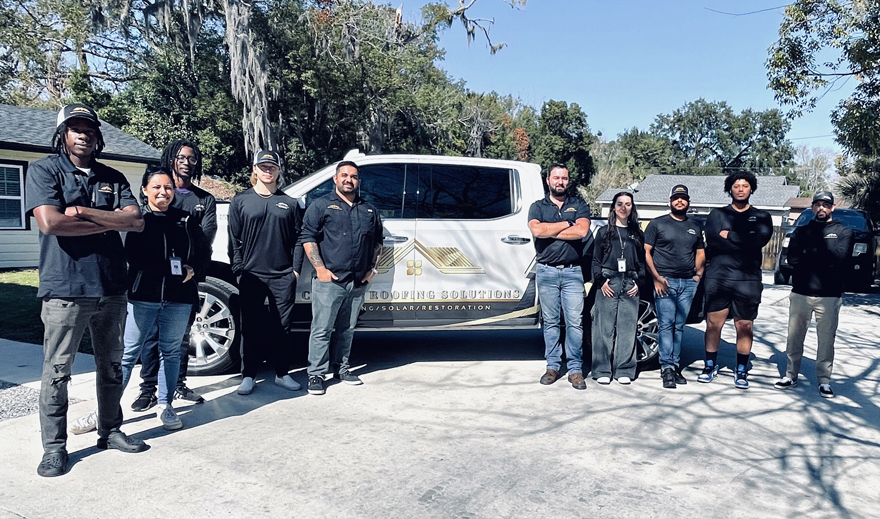
At Custom Roof Solutions, we understand Jacksonville’s unique weather conditions and architectural styles. Whether it’s protecting your home from hurricane-force winds, foof repairs or enhancing its curb appeal with a modern design, our experienced team delivers superior results and ensures long-lasting durability with our premium materials.
 VETERAN OWNED & OPERATED COMPANY